The 10-Step Korean Skincare Routine: What Each Step Actually Does
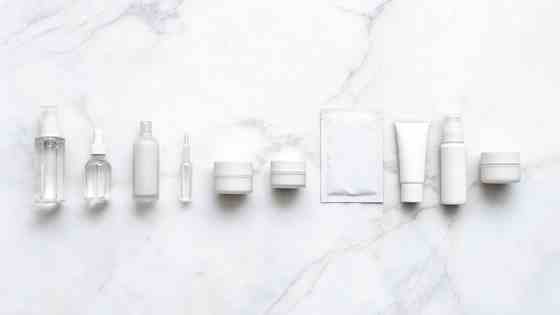
The 10-Step Korean Skincare Routine: What Each Step Actually Does
The "10-step Korean skincare routine" went viral years ago and never really left. But most guides gloss over why the steps exist and in what order — which is the part that actually matters.
This is the no-fluff breakdown. Every step explained, every product category defined, and an honest note on which steps the average person can skip.
Why 10 Steps? The Logic Behind the Order
Korean skincare philosophy is built on one core idea: prevention over correction. Rather than treating problems after they appear, the routine focuses on keeping the skin barrier healthy so problems are less likely to develop [3].
The 10-step sequence isn't arbitrary. It follows a rule: apply products from thinnest to thickest consistency. Lighter, water-based products go first so they can penetrate the skin. Heavier, occlusive products seal everything in at the end.
The 10 Steps, Explained
Step 1: Oil Cleanser
Breaks down oil-based debris — sunscreen, makeup, sebum, pollution. Apply to dry skin, massage ~60 seconds, emulsify with water, rinse. Skip if you wear no SPF or makeup.
Step 2: Water-Based Cleanser
Removes remaining water-based impurities — this is "double cleansing." Rinse with lukewarm (not hot) water; hot water disrupts the barrier [3]. The one non-negotiable cleansing step.
Step 3: Exfoliator
Removes dead surface cells. Chemical (AHA for dry, BHA for oily/acne-prone) or physical; Korean routines favor gentle chemical exfoliants. 2–3× per week, not daily — over-exfoliation is one of the most common causes of a compromised barrier [3].
Step 4: Toner
Rebalances pH after cleansing and adds first-layer hydration. Korean toners are watery and soothing, not astringent.
Step 5: Essence
A lightweight concentrated fluid delivering hydration and (often fermentation-derived) actives. Oily types may skip.
Step 6: Serum / Ampoule
The workhorse — concentrated actives chosen by concern: vitamin C (brightening), niacinamide (sebum/pore control), retinol (anti-aging), hyaluronic acid (hydration).
Step 7: Sheet Mask
A high dose of ingredients in an occlusive format; 1–3× per week.
Step 8: Eye Cream
The eye area has the thinnest skin and no oil glands. A gentle moisturizer often covers it; dedicated eye creams help for specific concerns.
Step 9: Moisturizer
Seals in prior steps and strengthens the barrier. Ceramide-containing moisturizers measurably reduce transepidermal water loss and improve hydration [4]. Even oily skin needs it.
Step 10: Sunscreen (AM Only)
Prevents UV damage, which accounts for an estimated 80% of visible facial aging [2]. The dermatology standard is broad-spectrum, SPF 30 or higher, every morning [1]. Korean filters (e.g., Tinosorb S, Uvinul A Plus) are cosmetically elegant but not yet FDA-approved in the US. PM: replace SPF with a sleeping mask or night cream.
Which Steps Can You Actually Skip?
| Step | Skip if... |
|---|---|
| Oil Cleanser | No makeup, no SPF |
| Exfoliator | Sensitive skin, on retinoids |
| Toner | Using a pH-balanced cleanser and already hydrated |
| Essence | Oily skin, minimalist preference |
| Sheet Mask | Short on time |
| Eye Cream | No specific eye concern |
Never skip: Water-based cleanser, moisturizer, SPF (AM).
Bottom Line
The 10-step routine is a menu, not a mandate. The core non-negotiables are a gentle cleanser, a hydrating moisturizer, and daily SPF [1]. Everything else is customization. Start with the basics, introduce new steps one at a time, and give each addition 4–6 weeks before judging results.
This article reflects current dermatological consensus and is not a substitute for personalized advice from a licensed dermatologist.