Best Korean Cleansers for Every Skin Type (Oil and Foam Options)
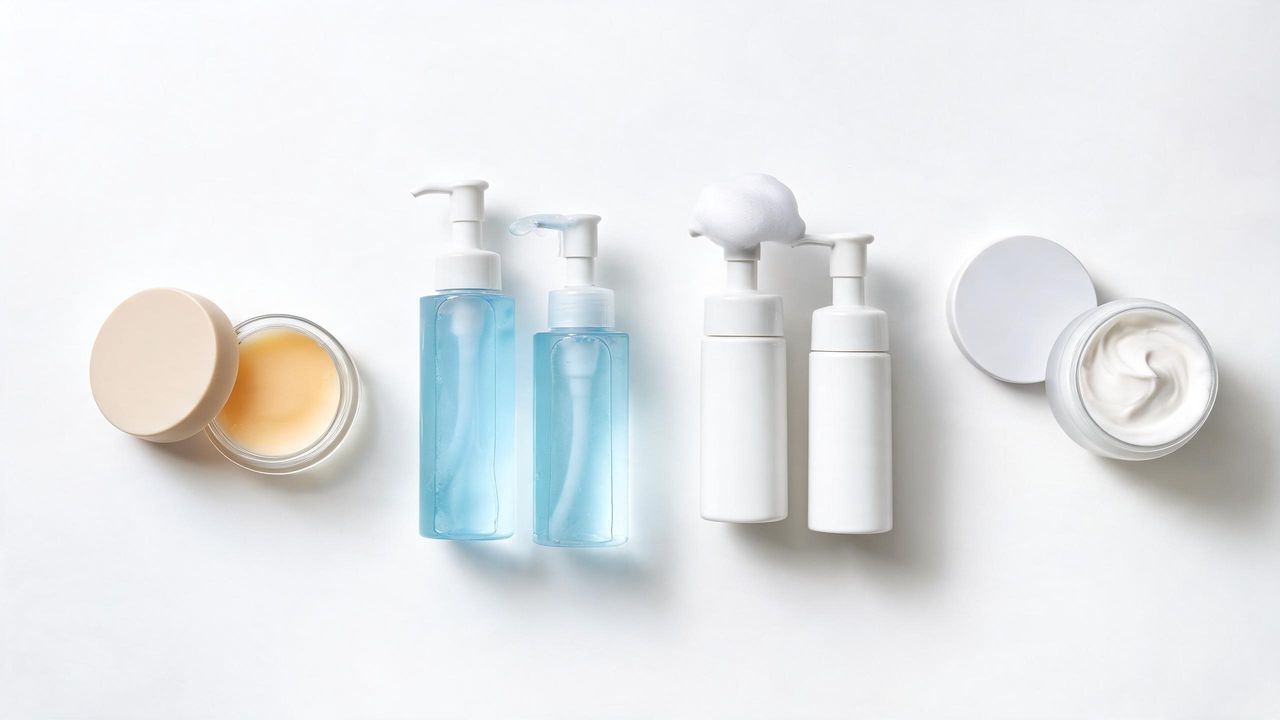
Best Korean Cleansers for Every Skin Type
Cleansers stay on the skin for about a minute and then get rinsed off. That's part of why they're often the product with the most marketing spend relative to their actual impact. But the wrong cleanser — one that disrupts pH or strips the barrier — causes downstream problems that make the rest of a routine less effective [2].
The Key Variables
pH: Healthy skin surface is slightly acidic, on average below pH 5, and a highly alkaline soap (pH 9+) disrupts that acid mantle [1]. Look for cleansers labeled "low pH."
Surfactant type: Some surfactants are gentler than others. Harsh sulfates such as sodium lauryl sulfate are a common cause of the "tight" feeling after washing — not a sign of a good cleanse.
Formulation: Oil or balm cleansers for evening makeup and SPF removal; water-based cleansers (gel, foam, cream) for the rest.
Oil Cleansers
For Most Skin Types: Banila Co Clean It Zero Original Cleansing Balm (~$20)
A balm that melts to oil, removes SPF and makeup thoroughly, and rinses cleanly with no residue. Works for most skin types — the classic Korean cleansing balm.
For Oily/Acne Skin: Heimish All Clean Balm (~$18)
Similar to Banila Co but a little lighter. A good pick for oily and acne-prone skin that finds heavier balms uncomfortable.
For Dry/Sensitive Skin: DHC Deep Cleansing Oil (~$28)
A Japanese brand widely used in Korea. An olive-oil base that's nourishing for dry skin and rinses cleanly.
Water-Based Cleansers
For All Skin Types: COSRX Low pH Good Morning Gel Cleanser (~$12)
Around pH 5.0 with willow bark water and a low-irritation formula. The most consistent all-round recommendation, usable as a single cleanser or the second step of a double cleanse.
For Dry Skin: Klairs Rich Moist Foaming Cleanser (~$16)
A creamy foam that cleans without stripping and leaves no tightness, with hyaluronic acid in the base.
For Oily Skin: iUNIK Centella Calming Cleanser (~$14)
Centella asiatica plus a low-pH formulation, controlling oil without over-stripping [4]. A clean ingredient list.
For Sensitive Skin: CeraVe Hydrating Cleanser (~$15, widely sold in Korea)
Not a Korean brand, but dermatologist-developed and frequently recommended by Korean dermatologists for sensitive and eczema-prone skin. Ceramides plus hyaluronic acid in a non-stripping formula help support the barrier [3].
For Acne-Prone: SOME BY MI AHA-BHA-PHA 30 Days Miracle Acne Clear Foam (~$13)
A gentle acid blend in cleanser format. Because contact time is short (about a minute), don't expect dramatic exfoliation — but consistent use contributes to clearer pores over time.
How to Know If Your Cleanser Is Wrong for You
Signs it's too stripping:
- Skin feels "tight" or "squeaky clean" after washing
- Skin turns oilier within a couple of hours (compensatory sebum)
- Increased redness or sensitivity after cleansing
- Products pill or don't adhere afterward
Signs it isn't cleaning enough:
- SPF or makeup still visible on a cotton pad after cleansing
- Milia or closed comedones developing
- Skincare products don't absorb well
Bottom Line
Cleansers are where you can spend less (they're rinsed off) but should think more carefully, because they set up everything that follows. Match the pH (look for "low pH"), match the texture to your skin type (foam for oily; cream or gel for dry), and double cleanse in the evening if you wear SPF or makeup.
This article reflects current dermatological consensus and is not a substitute for personalized advice from a licensed dermatologist.