Chok Chok Skin: What It Means and How to Get It
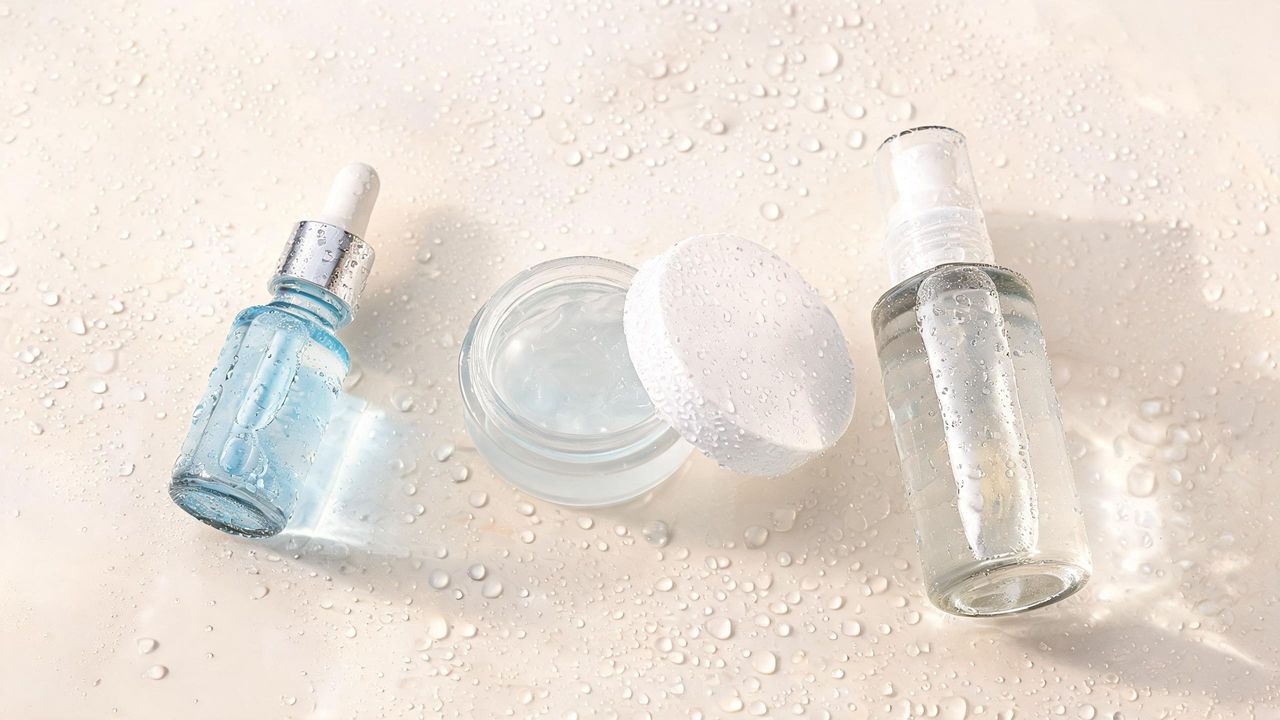
"Chok chok" (촉촉) is a Korean onomatopoeia that describes the sensation of something moist and bouncy — the feel of perfectly hydrated, dewy skin when lightly pressed. It's the Korean skin ideal: skin that bounces back, looks luminous, and feels satisfyingly plump.
What Chok Chok Skin Actually Describes
Chok chok is distinct from:
- Oily skin — chok chok is hydration, not sebum
- Wet skin — it's a sustained state, not temporary surface moisture
- Greasy skin — the look is luminous and translucent, not heavy
It describes skin with optimal water content in the epidermis (and supported by hydration in the deeper dermis) — skin that appears slightly translucent, reflects light softly, and has a slight springiness when touched.
The Difference Between Moisture and Hydration
Korean skincare culture makes a distinction that many Western routines miss:
Moisture = oil/lipid content in the skin Hydration = water content in the skin
Chok chok skin requires both. You can have high lipid content (moisturized) but low water content (dehydrated) — this produces skin that's protected but not plump. Chok chok requires high water content, maintained by adequate lipids that slow water loss. The skin barrier's lipid matrix — including ceramides — is what limits transepidermal water loss (TEWL), so a healthy barrier is central to holding hydration.[2][3]
How to Achieve Chok Chok Skin
Step 1: Hydrate First — Humectants Apply water-attracting ingredients (hyaluronic acid, polyglutamic acid, glycerin) to slightly damp skin. Hyaluronic acid in particular is well studied for binding water and improving skin hydration.[1]
Step 2: Seal the Hydration — Emollients and Occlusives Apply a moisturizer to lock the humectants in. Emollient ingredients (ceramides, squalane) smooth the skin surface; light occlusive elements (petrolatum, dimethicone, plant butters) slow water evaporation.
Step 3: The 7-Skin Method (Optional, for Maximum Chok Chok) Apply a hydrating toner in several thin layers, patting each into skin before applying the next. Each layer adds surface hydration for a more plump, water-saturated look. Results are usually immediately visible, though this is a cosmetic, short-term effect.
Step 4: Internal Hydration Drinking adequate water supports overall hydration status. A common guideline is around eight glasses daily, adjusted for body weight, activity, and climate. Note that topical hydration is what most directly affects the visible dewiness of the outer skin.
Step 5: Humidity Indoor environments with low relative humidity (particularly in winter) accelerate TEWL. A humidifier maintaining roughly 40–60% relative humidity reduces how hard your skincare has to work.
Bottom Line
Chok chok skin is the tangible result of the Korean hydration-first approach: humectants attract water, emollients and occlusives seal it, and consistent daily practice maintains it. If your skin currently feels tight, looks dull, or lacks that slightly bouncy quality, adding a humectant serum and a ceramide moisturizer consistently for about four weeks will typically produce a visible change.
This article reflects current dermatological consensus and is not a substitute for personalized advice from a licensed dermatologist.