Douyin Makeup Trend: The Chinese-Korean Crossover Taking Over TikTok
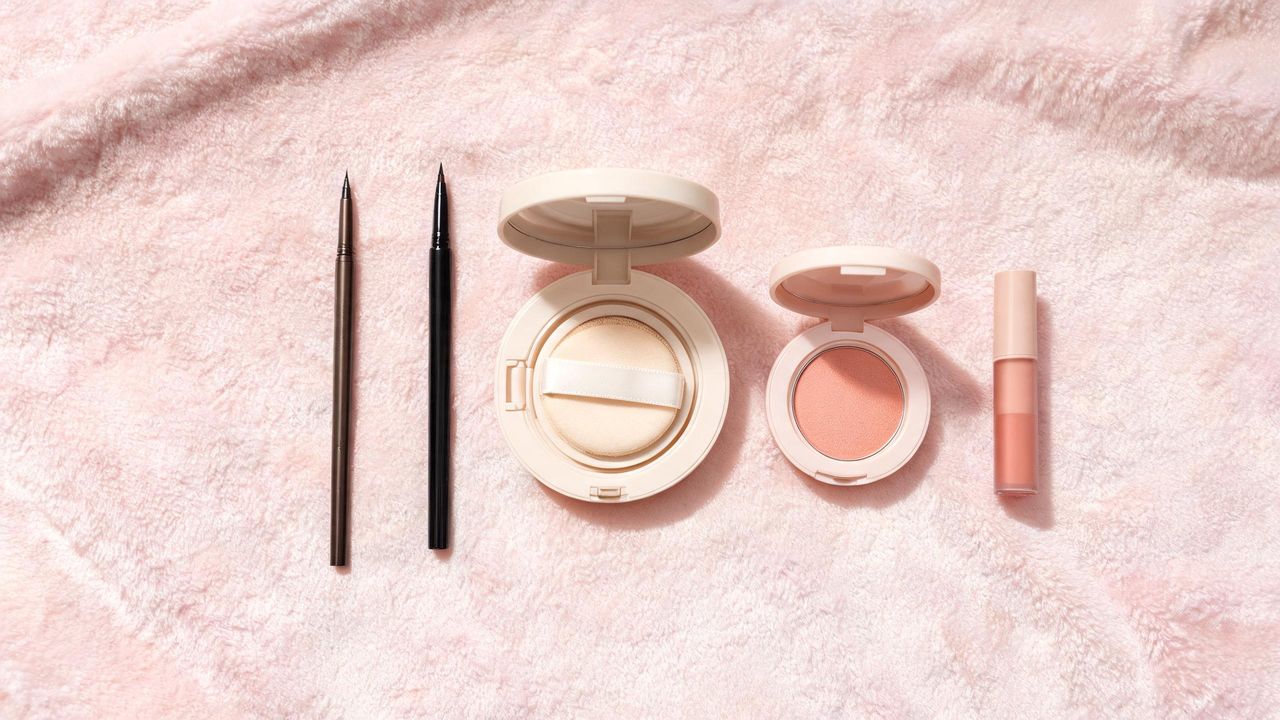
Douyin Makeup: The Aesthetic Crossing from China to Korea to Global
Douyin (抖音) is the Chinese version of TikTok — and the makeup aesthetic that became dominant on the platform has crossed into Korean beauty culture and global trends. Understanding Douyin makeup means understanding a specific set of beauty ideals that differ from both K-beauty and Western makeup.
What Defines Douyin Makeup
Douyin makeup is characterized by:
- Porcelain, pale skin — often styled noticeably lighter than the wearer's natural tone
- Rounded, "dolly" features — makeup that makes features look rounder and more doll-like
- Very straight brows — even straighter than standard Korean straight brows
- Small, defined lips — often overdrawn to create a small, rounded mouth shape
- Straight lower lash line — a straight liner drawn under the eye rather than the curved sweep of Western technique
- No visible contour — flat, even skin is the goal
- Subtle peachy or pink blush — placed high on the cheekbones or under the eyes
How It Differs from Classic K-Beauty Makeup
| Element | Classic K-Beauty | Douyin |
|---|---|---|
| Skin tone | Natural / enhanced | Often styled lighter |
| Eye shape | Rounded, larger-looking | More "blank" and wide |
| Brows | Softly straight | Very straight, fine |
| Lips | Gradient, center-focused | Small, rounded mouth shape |
| Overall feel | Fresh, youthful, approachable | Porcelain, doll-like, graphic |
The Douyin Makeup Technique
Base: Full, even coverage. The classic Douyin look uses a base a shade or two lighter than natural — a culturally specific styling choice, and not a recommendation, since the healthiest and most flattering approach is to match your own skin tone. Whatever base you use, apply a dedicated broad-spectrum sunscreen underneath: sun exposure is the leading cause of visible skin aging, with one widely cited study attributing about 80% of visible facial aging to UV.[1]
Brows: Fine and straight. Use hair-like strokes, kept thin.
Eyes: The most defining element.
- Upper lid: minimal eyeshadow, fine liner along the upper lash line
- Lower lid: a straight liner drawn below the lower lash line — not following the eye's curve, but drawn straight across
Blush: Light, peachy blush placed high on the cheekbones, sometimes under the eye.
Lips: The small-mouth aesthetic — slightly overdraw at the cupid's-bow center for a rounded top lip, keeping the width contained.
The Cultural Context
The Douyin aesthetic reflects specific Chinese beauty standards with historical roots in "small face" and "porcelain skin" ideals. The skin-lightening element is culturally specific and represents one aesthetic within Chinese beauty culture — not a universal ideal, and not a dermatological recommendation.
Adopting the transferable techniques from Douyin (the straight lower liner, fine straight brows, and center-focus blush) without the skin-lightening element gives a modern, Korean-adjacent look that has crossed into global makeup trends.
Bottom Line
Douyin makeup is a specific aesthetic with specific techniques. The transferable elements for any skin tone: fine straight brows, straight lower liner (rather than curved), and high peachy blush. The look has influenced Korean makeup trends over the past few years — you'll see elements in idol makeup, social-media content, and street style throughout Korea. Just keep the base matched to your own skin and sunscreen underneath it.[1]
This article reflects current dermatological consensus and is not a substitute for personalized advice from a licensed dermatologist.