Green Tea in Korean Skincare: What EGCG Actually Does
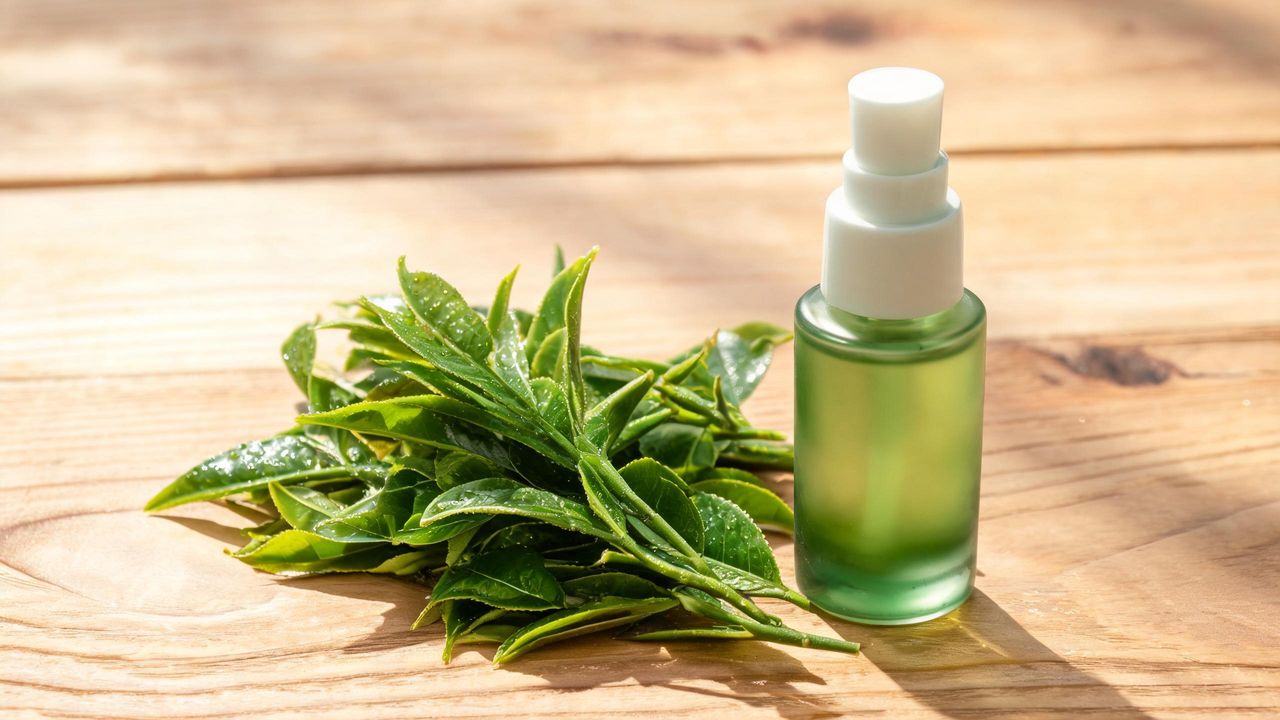
Green Tea in Korean Skincare: What EGCG Actually Does
Green tea (Camellia sinensis) extract has been in Korean and Japanese skincare for decades, and Innisfree built a global brand around Jeju green tea. The question: is that justified by evidence, or is it botanical window dressing?
The evidence is actually solid — green tea's primary active compound, EGCG (epigallocatechin gallate), is one of the most studied polyphenols in dermatology [1][3].
EGCG: The Active Compound
EGCG (epigallocatechin-3-gallate) is the most abundant and biologically active catechin in green tea and is responsible for most of the documented skin benefits [1].
Key properties:
- A potent natural antioxidant
- Anti-inflammatory — it modulates inflammatory signaling pathways
- Antimicrobial — including activity against C. acnes in laboratory settings
- Associated with sebum regulation
- Some evidence for photoprotective support (not a replacement for SPF) [2]
Clinical Evidence by Benefit
Antioxidant: EGCG scavenges free radicals generated by UV exposure, and topical application is associated with reduced UV-induced oxidative stress in human skin [1][2]. This makes green tea extract a useful partner to SPF, helping address oxidative damage that sunscreen does not fully prevent.
Anti-inflammatory: Studies report that topical green tea polyphenols reduce UV-induced erythema (redness) and markers of inflammation [1][2].
Anti-acne: EGCG is associated with reduced sebum and inhibition of C. acnes in vitro and in small clinical work. The combination of sebum control, antimicrobial, and anti-inflammatory action makes it relevant for acne-prone skin [3].
Photoprotection support: Green tea extract cannot replace SPF, but human studies show topical polyphenols reduce UV-induced DNA damage and suppress UV-induced inflammation when applied before sun exposure [2]. Use it alongside — never instead of — sunscreen.
Korean Green Tea Products
- Innisfree Green Tea Seed Serum — the benchmark Korean green tea product
- Innisfree Green Tea Hyaluronic Acid Serum — green tea with hyaluronic acid
- Amorepacific Time Response Skin Reserve Crème — premium, Jeju green tea–focused
- COSRX Full Fit Propolis Synergy Toner — includes green tea alongside propolis
Form Matters: Extract vs. Water vs. Fermented
Green tea extract: Concentrated and standardized. Best for clinical-level effects.
Green tea water: Used in place of water in a formula — a lower concentration of actives.
Fermented green tea: Fermentation can concentrate certain compounds and may improve bioavailability. Some Korean brands use this form.
Bottom Line
Green tea extract earns its place in Korean skincare. The EGCG-driven antioxidant, anti-inflammatory, and anti-acne benefits are backed by credible studies [1][2][3]. For antioxidant defense, oily or acne-prone skin, or reactive skin, a green tea serum or toner is a well-supported addition. Look for "green tea extract" high on the ingredient list — not just green tea water.
This article reflects current dermatological consensus and is not a substitute for personalized advice from a licensed dermatologist.