K-Beauty Trends to Watch in 2026: What's Going to Go Viral Next
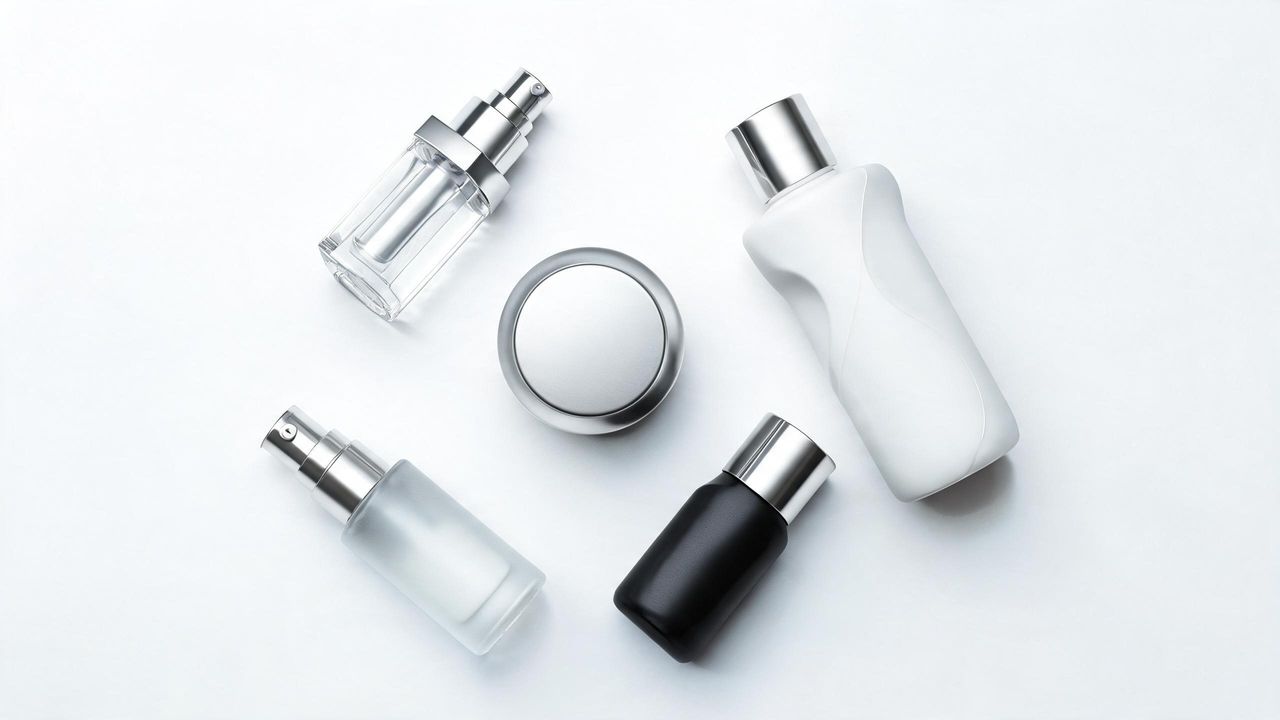
K-Beauty Trends 2026: What's Building Momentum
The K-beauty market moves quickly. New ingredients often reach mainstream adoption in Korea a couple of years before Western markets catch on, so what is trending in Seoul now is a useful preview of what beauty editors will be writing about later.
Here's what has genuine momentum in 2026 — and how much of it is backed by evidence.
1. Microbiome-First Skincare
Probiotic and postbiotic skincare is not new, but 2026 is seeing it move from niche to mainstream in Korean formulation. The focus is shifting from adding live bacteria (probiotics, which are hard to keep stable on the shelf) toward postbiotics: the metabolites and fermentation byproducts of beneficial bacteria.
What to look for on labels: bifida ferment lysate, lactobacillus ferment, galactomyces ferment filtrate (well established), plus newer postbiotic and lysate-filtrate designations.
Why it has staying power: microbiome research is genuinely accelerating, and gut-skin axis evidence continues to build. A widely cited 2021 Stanford trial found that a fermented-food diet increased gut microbiome diversity and lowered inflammatory markers, illustrating how strongly diet and microbiome interact [1]. Topical microbiome science is younger, but the underlying biology is real rather than a pure buzzword.
2. Neuropeptides and Neurocosmetics
The frontier of anti-aging formulation includes neuropeptides — compounds intended to interact with nerve-skin signaling. Acetyl hexapeptide (argireline) was an early example; newer neuropeptide complexes are entering the Korean market, often marketed toward stress-associated skin changes. The marketing frequently runs ahead of the clinical data, so treat bold "cortisol skin" claims with healthy skepticism unless a specific, studied ingredient is named.
3. Skin Flooding
A more intensive version of the 7-skin method: applying multiple thin, watery hydrating layers to maximize water content before sealing with an occlusive. Humectants such as hyaluronic acid draw water into the skin, which is why layering them before a moisturizer can visibly plump the surface [3].
4. AI-Personalized Skincare
Several Korean brands now build AI skin analysis into their retail experience, using photo analysis to generate product recommendations. The technology is improving, but many consumer-facing "AI personalization" features still pattern-match from limited data, so results vary.
5. Waterless and Concentrated Formulas
Sustainability pressure is driving waterless formulations — concentrated balms, powders, and solid formats that activate with water at the point of use. Several Korean brands lead this category, motivated by both sustainability positioning and genuine formulation innovation.
6. Skincare for Menopause and Perimenopause
A long-standing gap in skincare globally is products formulated for the hormonal skin changes of perimenopause and menopause. Korean brands are increasingly addressing this with barrier-focused formulations. Because niacinamide and ceramides support the barrier and pigmentation regulation, they feature prominently in these ranges, alongside phytoestrogen-containing botanicals such as soy isoflavones [2].
Bottom Line
The 2026 trends with real science behind them: microbiome and postbiotic skincare, more sophisticated peptide formulations, and menopause-specific skincare. The trends driven more by marketing than substance: most "cortisol skin" products without a specific studied active, and "AI personalization" features that are often thin on real data.
This article reflects current dermatological consensus and is not a substitute for personalized advice from a licensed dermatologist.