K-Beauty vs. Western Skincare: The Real Differences
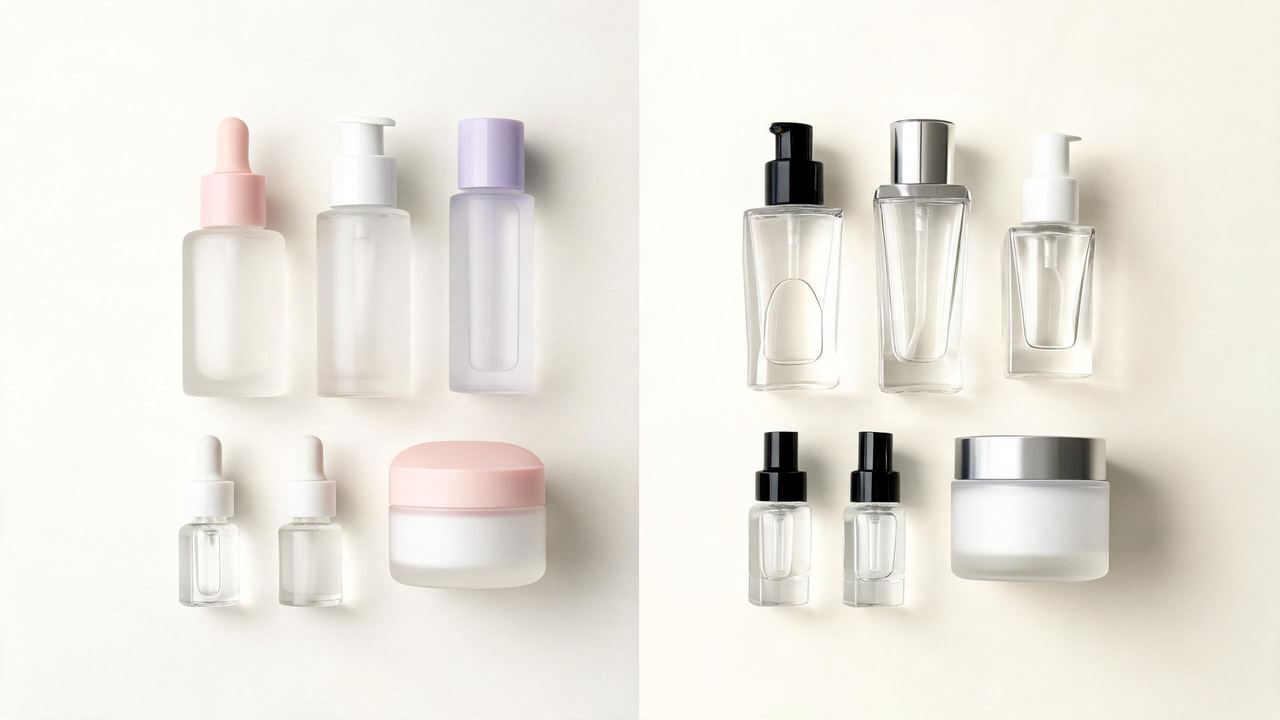
K-Beauty vs. Western Skincare: The Real Differences
The Korean-versus-Western skincare conversation is often framed as two competing systems. The reality is more nuanced: they share many active ingredients but differ meaningfully in formulation philosophy, texture preference, and emphasis on the skin barrier.
Active Ingredients: Where They Agree
Both K-beauty and evidence-based Western skincare rely on the same core actives:
- Retinoids (retinol, and prescription tretinoin) — the best-established anti-aging category [1]
- Vitamin C — antioxidant and brightening [2]
- Niacinamide — sebum regulation and barrier support (and, to correct a common myth, topical niacinamide does not cause flushing; that reaction belongs to niacin) [3]
- AHAs and BHAs — exfoliation
- Ceramides — barrier repair [4]
- Hyaluronic acid — hydration
- SPF — UV protection
On these fundamentals the evidence is shared and the application is broadly similar.
Where They Differ
Formulation Philosophy
K-beauty: A layering philosophy — multiple thin, often water-based steps applied in sequence, prioritizing skin feel and barrier compatibility.
Western skincare: Often a consolidation philosophy — fewer products at higher active concentrations, prioritizing measurable efficacy.
Result: K-beauty formulas tend to be gentler and more hydrating; higher-concentration Western formulas may act faster but carry more irritation potential.
Fermentation-Derived Ingredients
K-beauty distinctively emphasizes fermentation — galactomyces, bifida ferment lysate, lactobacillus ferment. These are increasingly used by Western brands too, but they took hold first in Korean formulation.
Skin-Barrier Priority
K-beauty consistently foregrounds barrier support — ceramides, hydration, gentleness — even within actives-focused products. Western clinical skincare has historically been less focused on pairing barrier support with actives, though that gap is narrowing.
Texture Preference
K-beauty strongly favors watery, lightweight textures, and the essence format is characteristically Korean. Western skincare more often uses richer creams and heavier serums.
Where K-Beauty Leads
- Cosmetically elegant sunscreen formulation
- Fermentation-derived actives (bifida, galactomyces)
- A barrier-first philosophy applied consistently across categories
- Cushion-compact innovation
- The sheet-mask category
Where Western Clinical Leads
- Prescription tretinoin integrated into routines (a prescription medication in Korea as well, but with well-established clinical use) [1]
- High-concentration actives (stronger vitamin C, higher retinoid percentages)
- Deep clinical evidence for specific formulations
- Benzoyl peroxide and clinical acne treatment integration
Bottom Line
The most effective approach usually borrows from both: K-beauty's barrier-first philosophy, layering technique, and fermentation ingredients alongside Western evidence-based actives such as tretinoin, clinical-grade vitamin C, and BHA. These systems aren't mutually exclusive — the strongest international routines routinely combine them.
This article reflects current dermatological consensus and is not a substitute for personalized advice from a licensed dermatologist.