Korean Blush Placement: Why Koreans Apply Blush Differently
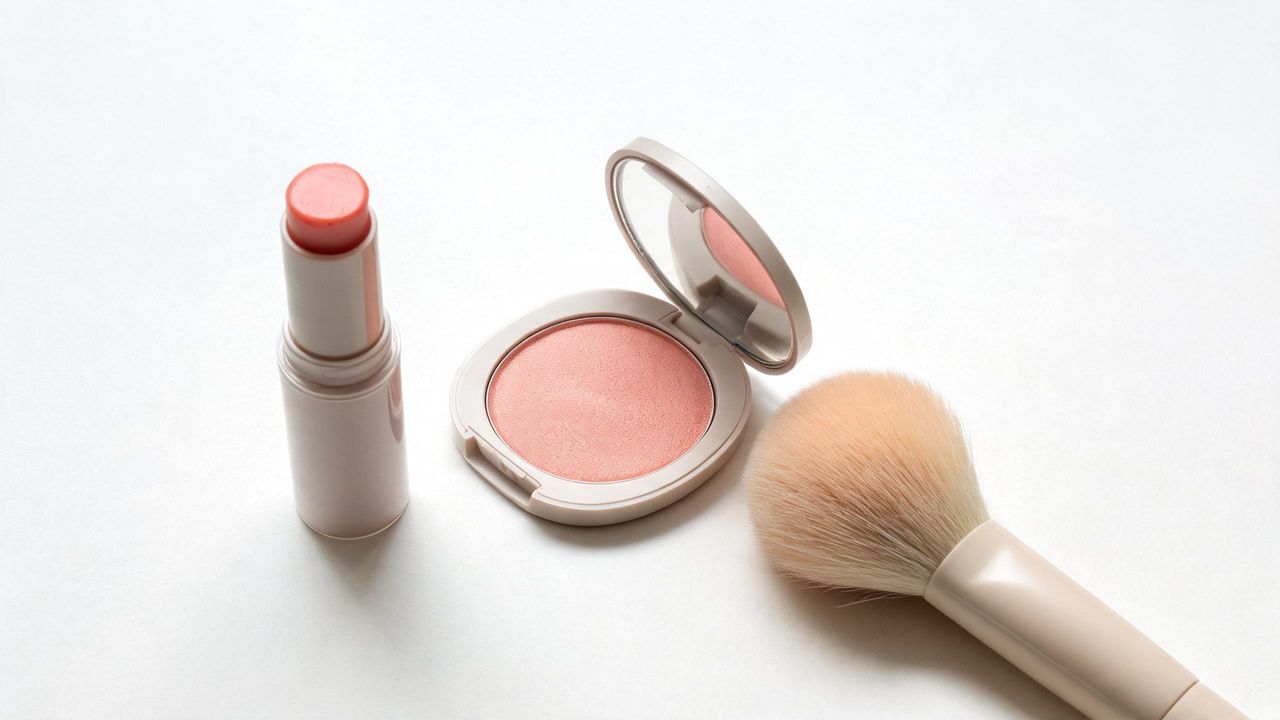
Korean Blush Placement: The Technique Behind the Youthful Flush
Walk into a Sephora in New York and you'll likely be shown to apply blush to the cheekbones, swept up toward the temples — a technique designed to sculpt and lift. Walk into an Olive Young in Seoul and you'll often see an entirely different approach: color placed horizontally, centered, and sometimes crossing the nose bridge.
The difference isn't just aesthetic preference — it reflects different goals.
Western vs. Korean Blush Goals
Western technique goal: Sculpt and lift the face. Blush is swept upward along the cheekbone to create a contoured, angular effect.
Korean technique goal: Create a natural flush — the kind you get from cold air or mild exercise. Soft, horizontal, and youthful [1].
The Western technique adds structure. The Korean technique aims to look younger and fresher.
The Korean Blush Techniques
1. The "Sunburn" or "Drunk" Blush
Applied across the nose bridge and onto both cheeks in an oval or circular pattern. It creates a face-wide flush that looks like natural redness from being outdoors.
How to apply:
- Use a fluffy, domed brush
- Start at one cheek, sweep lightly across the nose, and continue onto the other cheek
- Focus most color on the cheeks, just below and across the nose
- Use a sheer, buildable blush — start light
Best shades: Peachy-pink, warm rose, or soft coral. Avoid burgundy or cool berry tones for this technique.
2. The "Under-Eye" Blush (K-Drama Technique)
Placed just below the lower lash line, extending slightly onto the cheek. This is the most distinctly Korean placement — it creates the appearance of flushed, rosy cheeks that radiate upward from the eye area.
How to apply:
- Use a small brush or finger
- Apply blush just under the eye, blending down and outward onto the upper cheekbone
- Keep the color close to the eye — the density decreases as it moves toward the ear
Best shades: Pink or rose. Avoid warm orange-corals for this placement.
3. The "Water Drop" Placement
A circular application centered on the apple of the cheek — a soft dot of color that spreads outward. The most natural and easiest technique.
Korean Blush Products Built for These Techniques
Korean brands often formulate blush differently from Western brands:
- Lighter pigment load — designed for layering, not one-swipe intensity
- Cream and milk textures — balms and sticks are popular for a more natural, melted-in look
- Skin-tone-adapted shades — more peachy and neutral options alongside saturated shades
Products:
- 3CE Soft Cheek (powder, very buildable, light)
- Rom&nd Better than Cheek (cult powders)
- Peripera Ink Velvet Blush (pigmented but blendable)
- BBIA Creamy Blush (cream stick, seamless blending)
Bottom Line
Korean blush is a youth technique, not a sculpting one. The horizontal placement, soft shades, and skin-flush application create the appearance of natural redness rather than applied makeup. For the Korean aesthetic, place blush closer to the nose and lower eye area — and resist the instinct to sweep it upward toward the temples.
This article reflects current dermatological consensus and is not a substitute for personalized advice from a licensed dermatologist.