Korean Color-Treated Hair Care: Maintain Color and Hair Health Simultaneously
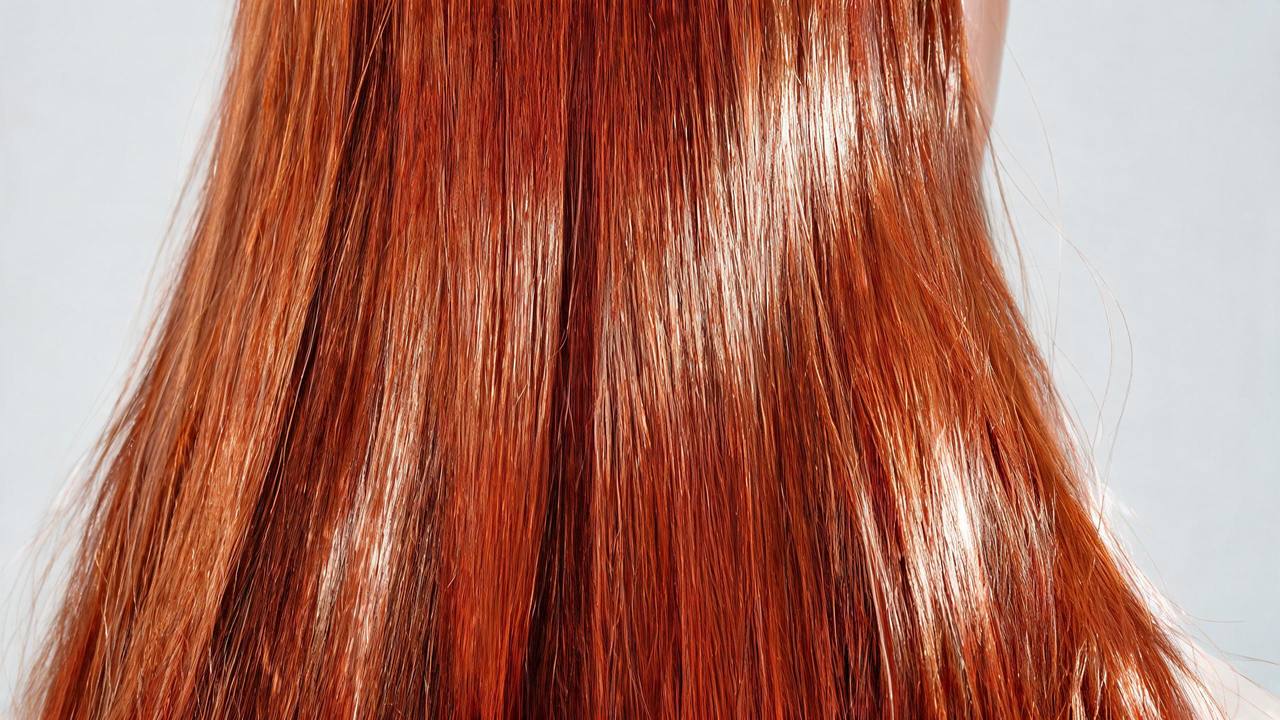
Korean Color-Treated Hair Care: Maintain Color and Hair Health Simultaneously
South Korea has one of the highest rates of hair coloring in Asia, and Korean salons are widely regarded as highly skilled at balayage, bleaching, and fashion-color techniques. The result is a well-developed approach to maintaining hair health alongside color vibrancy.
What Color Treatment Does to Hair
Hair coloring — particularly bleaching or lightening — works by:
- Opening the cuticle with an alkaline agent
- Using oxidants (peroxide) to break down melanin (the natural color pigment)
- Depositing new pigment (in permanent dye) into the cortex
This process raises the cuticle, oxidizes and can weaken proteins in the cortex, and removes natural lipids from the hair surface — contributing to loss of shine, frizz, and reduced strength [1].
Post-color care needs to address all three: cuticle sealing, protein repair, and lipid restoration.
The Korean Color-Treated Hair Routine
Shampoo: Color-Safe, Low-Frequency
- Use sulfate-free shampoos — harsh surfactants can strip color-protecting lipids from the hair surface and may accelerate fade
- Shampoo less frequently — roughly every 2–3 days for many hair types (dry shampoo can extend time between washes)
- Wash with cool or lukewarm water — hotter water can lift the cuticle and contribute to faster color loss [2]
Treatment: The Bond-Building Step
Bleaching and chemical color can break disulfide bonds within the hair fiber. Bond-building treatments (such as Olaplex and Korean equivalents like AMOS Bond Treatment) are designed to help reconnect these broken bonds and support the hair's structure [1].
Apply weekly as a mask step — leave on for 5–10 minutes before rinsing.
Conditioning: Protein and Moisture Balance
Color-treated hair often needs both protein (to help replace degraded keratin) and moisture. Applying protein treatments to already protein-heavy hair can lead to brittleness, so assess your hair's needs:
- Hair that stretches then breaks: may need more protein
- Hair that breaks immediately with no stretch: often needs moisture first
Korean hair salons frequently do a hair assessment before recommending treatment — this diagnosis matters.
Finishing: Sealing the Cuticle
After washing and conditioning:
- A cool-water final rinse to help smooth the cuticle
- A hair serum or oil applied to damp ends to help seal the surface
- Heat protectant before any heat styling [2]
Extending Color Life: Korean Salon Tips
- Wait about 48–72 hours after coloring before the first wash — this gives the cuticle time to close and color to set
- Use color-depositing conditioners for fashion colors — these add a small amount of pigment with each wash to help maintain vibrancy
- UV protection for hair — sun exposure fades color; some brands offer UV-protecting hair mists for outdoor use
- Purple/blue toning shampoos for blonde or light colors — help neutralize brassiness
Bottom Line
Korean color-treated hair care centers on three things: bond repair (weekly treatment), cuticle sealing (cool rinse and hair serum), and reduced color-stripping (sulfate-free shampoo, cooler water, less frequent washing). Together these habits help extend color life and reduce the breakage that often follows coloring.
This article reflects current dermatological consensus and is not a substitute for personalized advice from a licensed dermatologist.