Korean Diet and Skin: What Koreans Actually Eat (and Why It Matters)
Korean Diet and Skin: What Koreans Actually Eat (and Why It Matters)
The connection between diet and skin isn't always emphasized in Western skincare culture. Korean wellness culture, by contrast, has a long tradition of "skin food" thinking — the idea that what you eat affects your skin alongside what you apply to it.
Modern research increasingly supports specific dietary connections to skin health, though it's important to be realistic about how strong that evidence is.
Fermented Foods and the Gut-Skin Axis
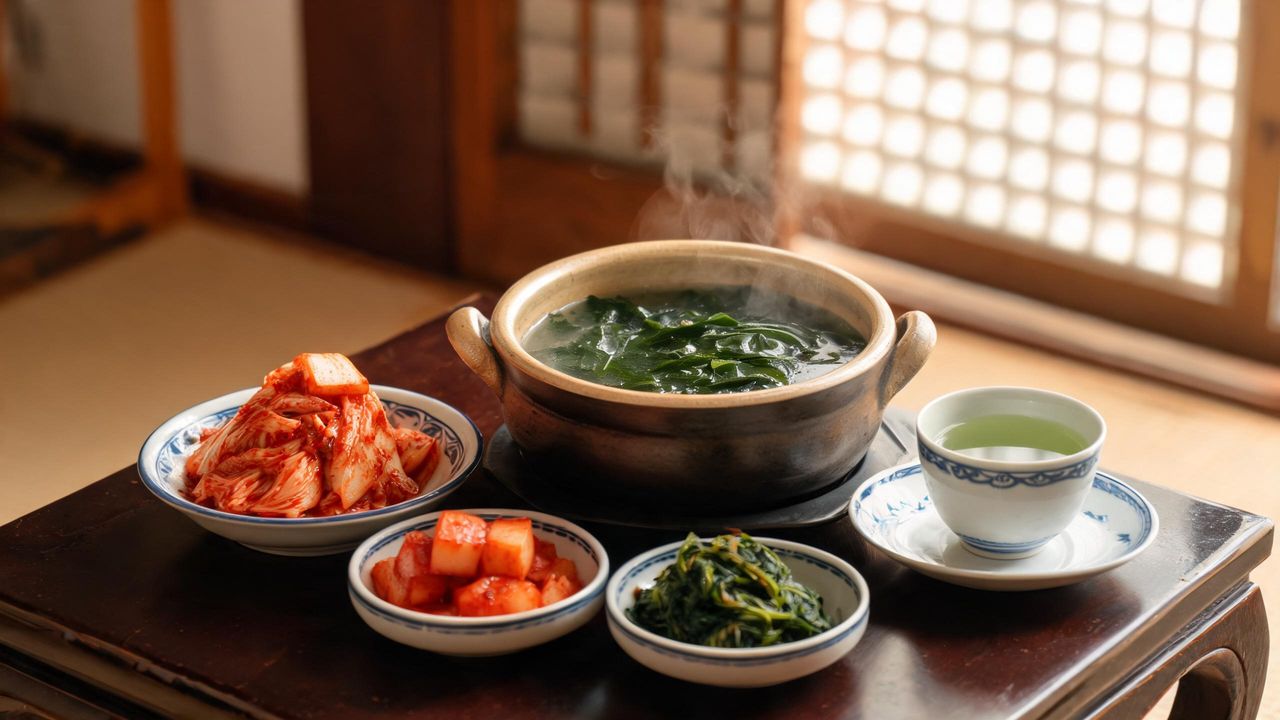
The Korean diet includes some of the most diverse fermented foods of any cuisine: kimchi, doenjang (fermented soybean paste), ganjang (soy sauce), gochujang, makgeolli, and various fermented vegetables.
Why this may matter for skin: Research on the gut-skin axis suggests that greater gut-microbiome diversity is associated with lower systemic inflammation, and chronic low-grade inflammation is implicated in conditions such as acne and eczema, as well as in aging.
The evidence base is still developing but increasingly credible. A 2021 Stanford clinical trial (Wastyk et al., published in Cell) randomized 36 healthy adults and found that a high-fermented-food diet increased gut-microbiome diversity and reduced several markers of inflammation, whereas a high-fiber diet did not produce the same effect over the study period [1][2]. The study measured inflammatory markers and microbiome diversity — not skin outcomes directly — so the skin benefit is inferred rather than proven.
Seaweed: Iodine, Antioxidants, and Marine Compounds
Seaweed (miyeok / brown seaweed, gim / dried laver) is a regular part of the Korean diet. Seaweed contains:
- Fucoidans — marine polysaccharides studied for anti-inflammatory and antioxidant properties
- Iodine — supports thyroid function, which has wide-ranging effects (note: excessive iodine can also be problematic, so balance matters)
- Alginates — associated with improved skin hydration in some studies
- Minerals — including zinc (barrier and immune function) and selenium (antioxidant support)
Miyeok-guk (seaweed soup) is a traditional post-birthday and postpartum meal in Korea, valued for its nutrient density.
Green Tea: EGCG Consumed, Not Just Applied
Korean tea culture favors green tea and barley tea. Green tea's EGCG content has evidence for antioxidant and anti-inflammatory effects, and some evidence for photoprotective benefits when consumed regularly — though results across studies are mixed, and it complements rather than replaces sunscreen [3].
Internal antioxidant intake from green tea and a vegetable-heavy diet provides systemic antioxidant support that pairs well with topical antioxidants.
Lower Refined Sugar: The Glycation Factor
Traditional Korean cuisine is not heavily reliant on refined sugar. Glycation — the process by which excess blood sugar binds to collagen fibers and makes them more rigid — is one plausible driver of skin aging. A lower-glycemic diet is associated with less glycation, which may help preserve more elastic collagen over time.
Foods That Support Korean Skin Health (The Short List)
| Food | Possible Skin Benefit |
|---|---|
| Kimchi and other fermented foods | Gut-microbiome diversity, anti-inflammatory |
| Seaweed | Hydration, antioxidants, minerals |
| Green tea | Antioxidant, anti-inflammatory |
| Eggs | Protein and amino acids for collagen building |
| Ginseng | Antioxidant, circulation support |
| Persimmon (gam) | Vitamin A and C precursors |
| Sweet potato (goguma) | Beta-carotene (antioxidant) |
Bottom Line
No single food changes skin overnight, and diet is only one factor among genetics, sun exposure, and skincare. But the cumulative pattern of the Korean diet — fermented foods, seaweed, green tea, vegetables, and relatively low refined sugar — supports gut and systemic health in ways that have plausible skin benefits. Adding fermented foods and reducing refined sugar are the two changes with the most evidence behind them.
This article reflects current dermatological consensus and is not a substitute for personalized advice from a licensed dermatologist.