Double Cleansing: The Korean Method That Changed How the World Cleans Skin
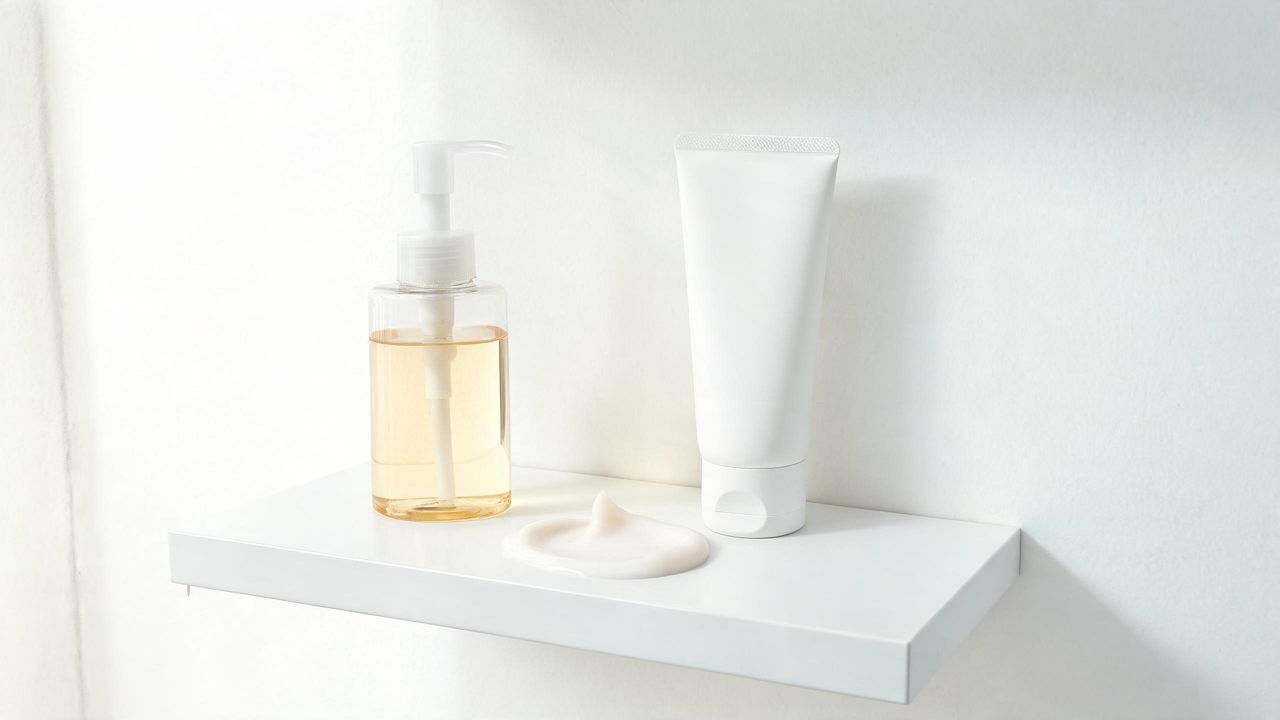
Double Cleansing: The Korean Method That Changed How the World Cleans Skin
Double cleansing — using an oil-based cleanser followed by a water-based cleanser — is one of the most widely adopted Korean skincare techniques globally. It's also a step with sound reasoning behind it.
Here's why it works and how to do it correctly for your skin type.
The Problem With Single Cleansing
Modern skincare and daily life involve:
- Sunscreen (often containing oil-based UV filters)
- Silicone-based makeup and primers
- Pollution particles that bind to sebum on the skin surface
Much of this is oil-based debris. Water-based cleansers cannot fully remove oil-based residue on their own, because water and oil don't mix well without a suitable surfactant. Relying on a water-based cleanser alone can leave residue that:
- Blocks subsequent skincare from absorbing effectively
- May contribute to congestion over time
- Can leave makeup and sunscreen incompletely removed
Step 1: The Oil Cleanser
What it does: Oil dissolves oil. An oil cleanser loosens sunscreen, makeup, and sebum by dissolving the oil-based bonds that hold them to the skin.
Application:
- Apply to completely dry skin — water interferes with proper oil-to-oil contact
- Massage for about 60 seconds — this is the step most people rush
- Add a small amount of water to "emulsify" — the formula turns milky
- The emulsification helps lift and rinse away the dissolved debris
- Rinse thoroughly
For dry skin: Richer oil cleansers with marula, argan, or rosehip bases For oily / acne-prone skin: Lightweight jojoba or mineral-oil-based formulas For sensitive skin: Fragrance-free, minimal-ingredient oil cleansers
Step 2: The Water-Based Cleanser
What it does: Removes remaining water-based debris (sweat, residue from the oil-cleanser emulsion) and any traces left behind.
Application:
- Apply to damp (not soaking) skin
- Lather for 30–60 seconds
- Rinse with lukewarm water — not hot, since hot water and harsh cleansing can compromise the skin barrier [2]
- Pat dry with a clean towel — don't rub
Choosing a gentle, pH-appropriate cleanser matters: high-pH or overly stripping cleansers can disrupt the skin's acid mantle and barrier function [1]. For acne-prone skin, a salicylic-acid (BHA) cleanser can help with congestion, though a rinse-off cleanser has limited contact time compared with a leave-on treatment [3].
When to Double Cleanse (and When Not To)
Double cleanse in the PM: Any day you've worn SPF, makeup, or spent significant time outdoors.
You can usually skip the oil cleanse in the AM: Morning cleansing removes overnight sebum, not sunscreen. A single water-based cleanser is generally sufficient in the morning — or just a water rinse for dry skin types.
Product Recommendations by Skin Type
| Skin Type | Oil Cleanser | Water-Based Cleanser |
|---|---|---|
| Dry | DHC Deep Cleansing Oil | Klairs Gentle Black Sugar Cleanser |
| Oily | Banila Co Clean It Zero (original) | COSRX Low pH Good Morning Gel |
| Sensitive | Kose Softymo Speedy Cleansing Oil | CeraVe Hydrating Cleanser |
| Acne-prone | Heimish All Clean Balm | COSRX Salicylic Acid Cleanser |
Bottom Line
Double cleansing works because oil and water clean different categories of debris. The oil cleanser handles SPF and makeup; the water-based cleanser handles the rest. Getting both steps right — full emulsification of the oil cleanser, lukewarm water, and gentle patting — takes only a few minutes and produces cleaner skin than most single cleansers can achieve, without unnecessarily stripping the barrier.
This article reflects current dermatological consensus and is not a substitute for personalized advice from a licensed dermatologist.