Korean Eye Cream Guide: Best Picks for Dark Circles and Puffiness
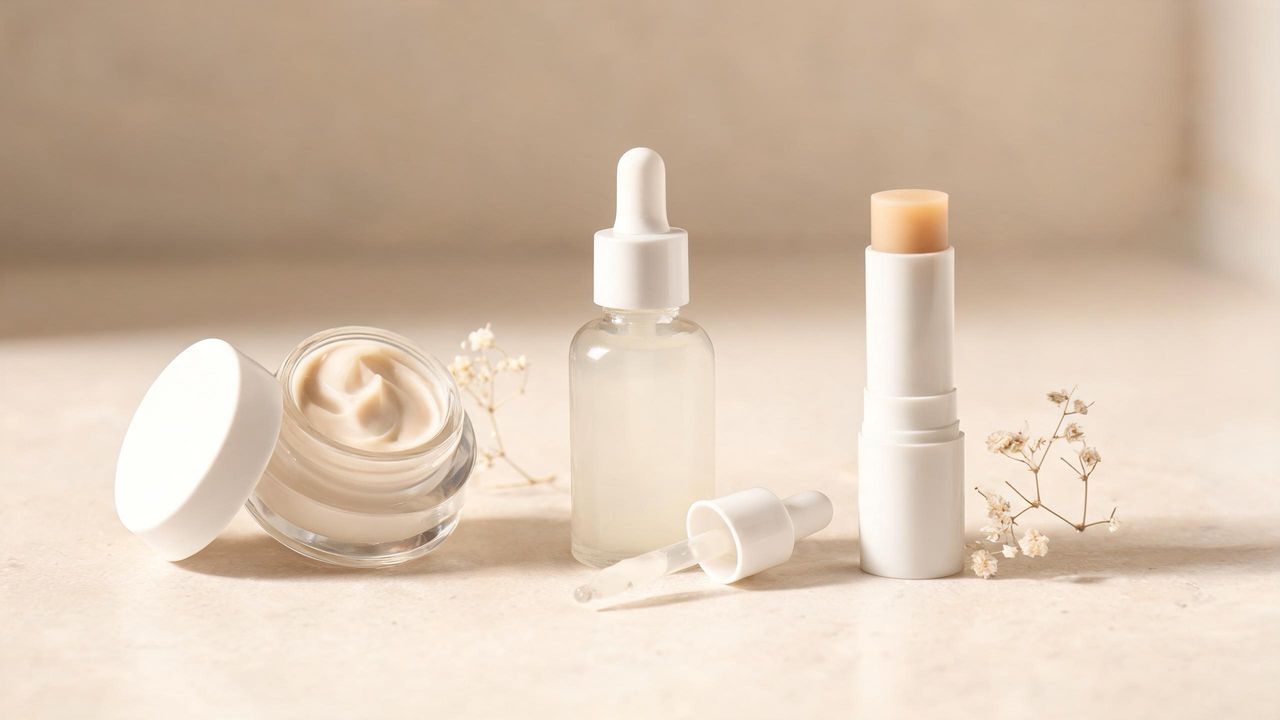
Korean Eye Cream Guide: Dark Circles, Puffiness, and Fine Lines
The eye area is often where visible aging appears first: eyelid skin is the thinnest on the face (roughly 0.5 mm, versus much thicker skin on the cheeks and nose) [1], it has few sebaceous glands (so it dehydrates faster), and it moves constantly.
Korean brands have invested heavily in eye care — some of the most interesting eye formulations come from K-beauty. Here's what tends to actually help.
Do You Actually Need an Eye Cream?
Yes, if:
- Your regular moisturizer is too heavy or contains actives that irritate the eye area (retinol, fragrance)
- You have specific eye concerns (dark circles, puffiness, fine lines)
- Your skin is very dry and the eye area needs dedicated attention
Not necessarily, if:
- Your regular moisturizer is gentle enough around the eyes and you have no specific concerns
For Dark Circles
Dark circles have different causes that respond to different approaches:
Pigmented circles (brownish, from melanin): vitamin K, niacinamide [3], vitamin C, and caffeine may help reduce discoloration.
Vascular circles (blue/purple from visible vessels): caffeine (temporary vasoconstriction), vitamin C, and gentle massage to support circulation.
Structural circles (shadows from hollowing, not pigment): topical products generally can't correct these — soft-tissue filler is the clinical option, and it should be discussed with a qualified provider.
Korean products for dark circles:
- Caffeine + vitamin C eye creams — target both pigmented and vascular causes
- SOME BY MI Peptide Eye Cream — niacinamide + peptides for brightening
- It's Skin Prestige Creme Ginseng Eye — ginseng, marketed for circulation support
For Puffiness
Common causes: fluid retention, sleep position, allergies.
Ingredients that may help: caffeine (temporary vasoconstriction, reduces the look of fluid buildup) and certain peptides.
Application technique: apply with the ring finger in a gentle tapping motion around the orbital bone — never drag. The tapping itself can help stimulate drainage.
Korean products for puffiness:
- Kiehl's Eye Alert (available in Korea) — higher caffeine content
- LANEIGE Eye Sleeping Mask — overnight treatment for tired-looking eyes
For Fine Lines
Ingredients that work: retinol formulated for the eye area at low strength [2], peptides, and hyaluronic acid.
Korean products for fine lines:
- SOME BY MI Retinol Intense Advanced Triple Action Eye Cream — low-percentage retinol for the eye area
- Peptide eye serums containing acetyl hexapeptide (marketed for expression lines)
Application: The Technique Matters More Than the Product
- Use the ring finger (lightest natural pressure)
- Place a small amount on the fingertip
- Tap gently from the inner corner, along the lower orbital bone, to the outer corner
- Continue above the eye from outer to inner corner
- Never rub, pull, or press hard
- Apply morning and night, consistently
Bottom Line
Eye cream isn't always necessary — but when it is, match the product to the concern (caffeine for puffiness, niacinamide for pigmented circles, peptides for fine lines). Apply with the ring finger in a tapping motion. Consistency matters more than which product you choose, and structural circles are a clinical rather than a skincare concern.
This article reflects current dermatological consensus and is not a substitute for personalized advice from a licensed dermatologist.