Korean Hair Care Routine: Why Korean Women Have Such Healthy Hair
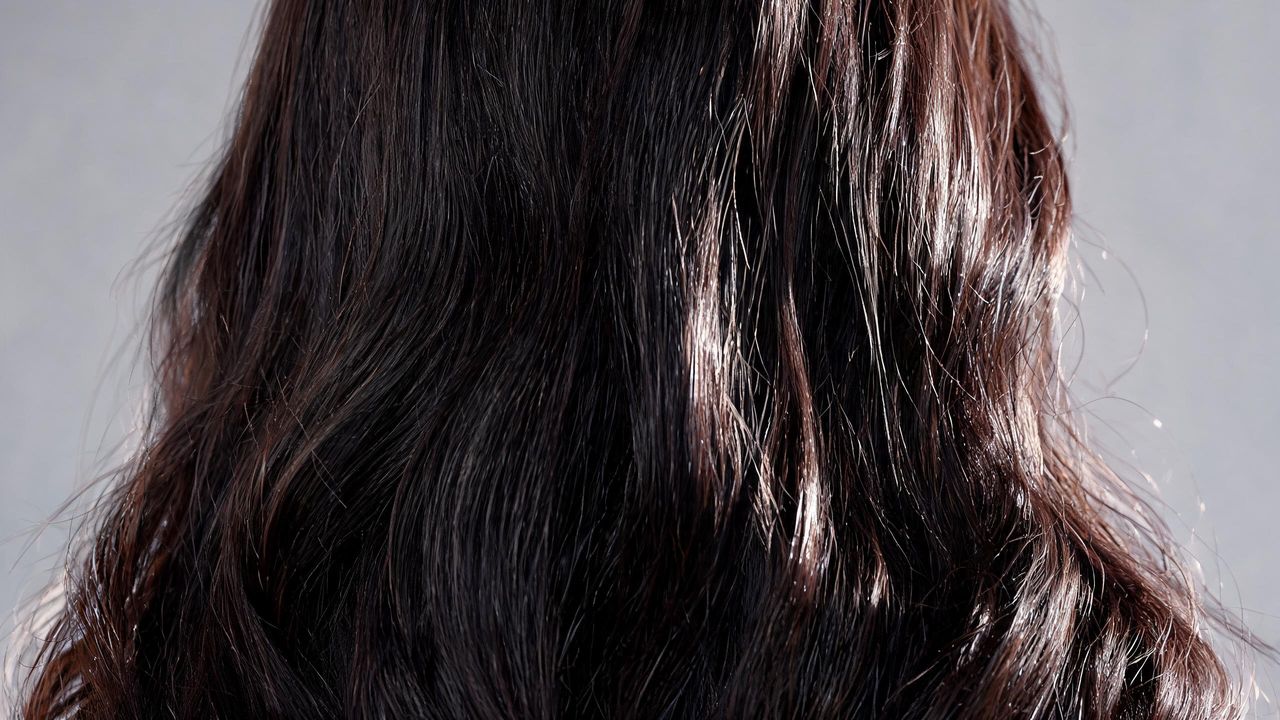
Korean Hair Care Routine: The Full Method Behind Healthy Korean Hair
Korean hair care has drawn less international attention than Korean skincare, but the approach is equally systematic. It treats the scalp much the way Korean skincare treats the face: as the foundation everything else builds on.
Here's the full routine.
The Core Philosophy: Scalp First
Korean hair care rests on a principle many Western routines overlook: healthy hair grows from a healthy scalp. The scalp is an extension of facial skin — it has sebaceous glands, follicles, and a barrier that needs the same care.
Treating hair while ignoring the scalp is like layering serum onto a damaged skin barrier without repairing it first.
The Korean Hair Care Routine
Step 1: Pre-Wash Scalp Massage (Optional, Highly Effective)
Before shampooing, massage the scalp with dry fingers or a scalp massager for 3–5 minutes. This:
- Loosens sebum and product buildup before washing
- Increases circulation to the follicles
- May support hair over time — a small 2016 study found that 4 minutes of daily standardized scalp massage increased hair thickness over 24 weeks in nine healthy men [1]
For extra treatment, apply a few drops of scalp oil before massaging. Rosemary oil in particular has a randomized trial behind it: over six months it produced hair-count improvement comparable to 2% minoxidil in androgenetic alopecia, with less scalp itching than the minoxidil group [2]. Note this is a single modest trial, so treat it as promising rather than definitive.
Step 2: Pre-Shampoo Treatment (Scalp Essence or Serum)
Korean hair care has a dedicated category of scalp serums and essences. Applied before shampooing, they deliver actives directly to the scalp without being diluted by shampoo.
Look for: niacinamide (which supports the skin barrier and helps regulate sebum) [3], adenosine, or fermentation-derived ingredients.
Step 3: Double Cleansing (Yes, for Hair Too)
Similar in spirit to facial double cleansing:
- First shampoo: removes styling products, sebum, and surface buildup (massage the scalp for about 60 seconds)
- Second shampoo: cleans the now-prepared scalp; lather is more effective on a clean scalp
Many Korean stylists recommend double shampooing for people who use styling products or have oily scalps.
Step 4: Hair Mask (Prioritize the Mid-Lengths and Ends)
Korean hair masks are typically applied to the mid-lengths and ends rather than the scalp. The scalp has its own sebaceous glands; the ends are what need conditioning.
Leave on 5–20 minutes depending on the product. A shower cap adds gentle warmth, which can aid absorption.
Step 5: Cool Water Rinse
Finish with a cool-water rinse. Cooler water helps the hair cuticle lie flatter, which reduces frizz and adds shine. This single step has a visible effect on glossiness.
Step 6: Post-Wash Scalp Serum or Tonic
Applied to the towel-dried scalp, these leave-in treatments are designed to reach the follicle. Popular Korean ingredients include ginseng extract, niacinamide, and biotin.
The Non-Negotiables
- Don't skip scalp care — it's the foundation
- Never sleep on soaking-wet hair — it is more vulnerable to mechanical damage
- Pat dry, don't rub — towel friction is a major source of mechanical damage
- Reduce heat styling — or use a heat protectant consistently when you can't
Bottom Line
Korean hair care's biggest contribution is its scalp-first philosophy. A pre-wash scalp massage, a scalp-specific treatment, and a cool-water rinse are three additions that need almost no new products. For those wanting more: a pre-wash oil treatment, a scalp serum, and double shampooing build measurably healthier scalp and hair over consistent practice.
This article reflects current dermatological consensus and is not a substitute for personalized advice from a licensed dermatologist.