Best Korean Hair Oils for Frizz, Damage, and Shine
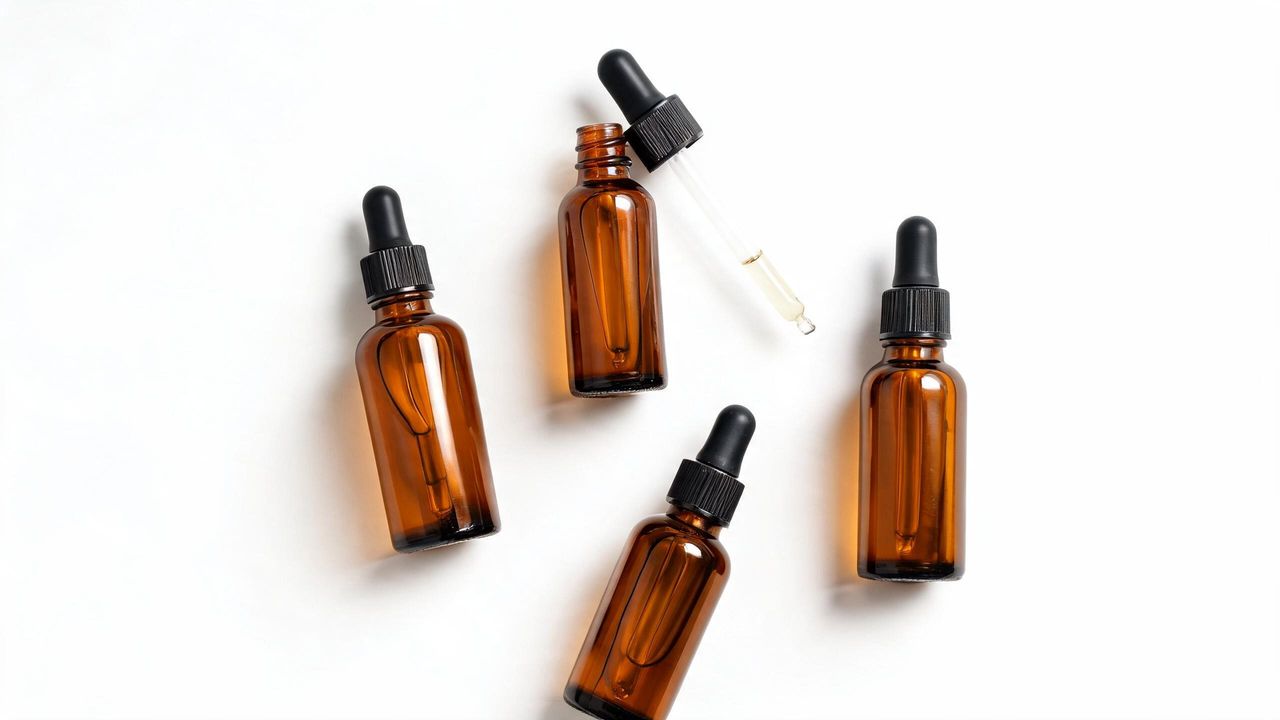
Korean Hair Oils: Which One Is Right for Your Concern
Hair oils are among the most versatile products in Korean hair care — they serve as pre-wash treatments, heat protectants, and finishing products. Korean formulations tend to be lighter and more targeted than many Western equivalents.
Types of Korean Hair Oil Products
Hair serum: lightweight, often silicone-based formulas that coat the hair surface for immediate shine and smoothing. Best for finishing, not deep treatment.
Hair essence: water-based or hybrid formulas that absorb into the hair fiber. Better for conditioning than pure surface coating.
Hair oil: oil-based formulas — natural (argan, camellia, coconut) or blended. Usable pre-wash for penetration or post-wash for sealing.
By Concern
For Frizz
Cause: raised cuticles, humidity, and lack of moisture.
Look for: camellia oil, dimethicone (a smoothing silicone), or argan oil.
Apply: a very small amount (1–2 drops or pea-sized) to dry or damp hair, focused on the mid-lengths and ends. Avoid the scalp.
Recommended: Mise-en-Scène Perfect Serum; AMOS gloss serums.
For Damage and Breakage
Cause: mechanical damage (heat, friction) and chemical damage (coloring, bleaching).
Look for: coconut oil, which — unlike mineral or sunflower oil — can penetrate the hair shaft and reduce protein loss during washing, making it especially useful as a pre-wash treatment [1]. Bond-building treatments also help rebuild structural damage.
Apply: as a pre-wash oil treatment, on dry hair for 30 minutes to overnight before shampooing.
Recommended: salon smoothing/bond treatments; pure coconut oil as an inexpensive pre-wash option.
For Shine
Cause: a dull cuticle and lack of surface gloss.
Look for: lightweight silicone or camellia-oil serums.
Apply: to damp or dry hair, as a finishing product only.
Recommended: Mise-en-Scène Perfect Serum; lightweight repair serums popular in Korea.
For Scalp Health and Hair Growth
Look for: rosemary oil, peppermint oil (diluted in a carrier), or ginseng-containing scalp oils.
Apply: to the scalp only — massage in, leave for about 30 minutes, then shampoo out.
Evidence note: rosemary oil has a randomized trial showing hair-count improvement comparable to 2% minoxidil over six months, with less itching [2]. It is promising but based on limited data. Mix roughly 5–6 drops in a tablespoon of carrier oil such as jojoba or coconut.
How to Apply Without Greasiness
The most common mistake is using too much product, applied at the roots.
Rules:
- Use less than you think you need; start small and add if needed
- Apply from the mid-lengths down — never to the roots, which adds greasiness and can congest follicles
- Apply to damp hair for even distribution, or dry hair for a targeted gloss finish
- Warm the oil between your palms first so it spreads and absorbs more evenly
Bottom Line
Korean hair oils excel at surface finishing — shine and frizz control — when used sparingly and away from the roots. For damage repair, a pre-wash coconut-oil treatment is more effective than most finishing serums. For scalp health and growth, rosemary oil has the strongest evidence among natural options.
This article reflects current dermatological consensus and is not a substitute for personalized advice from a licensed dermatologist.