Korean Jjimjilbang Skincare Rituals: What Happens and How to Recreate It
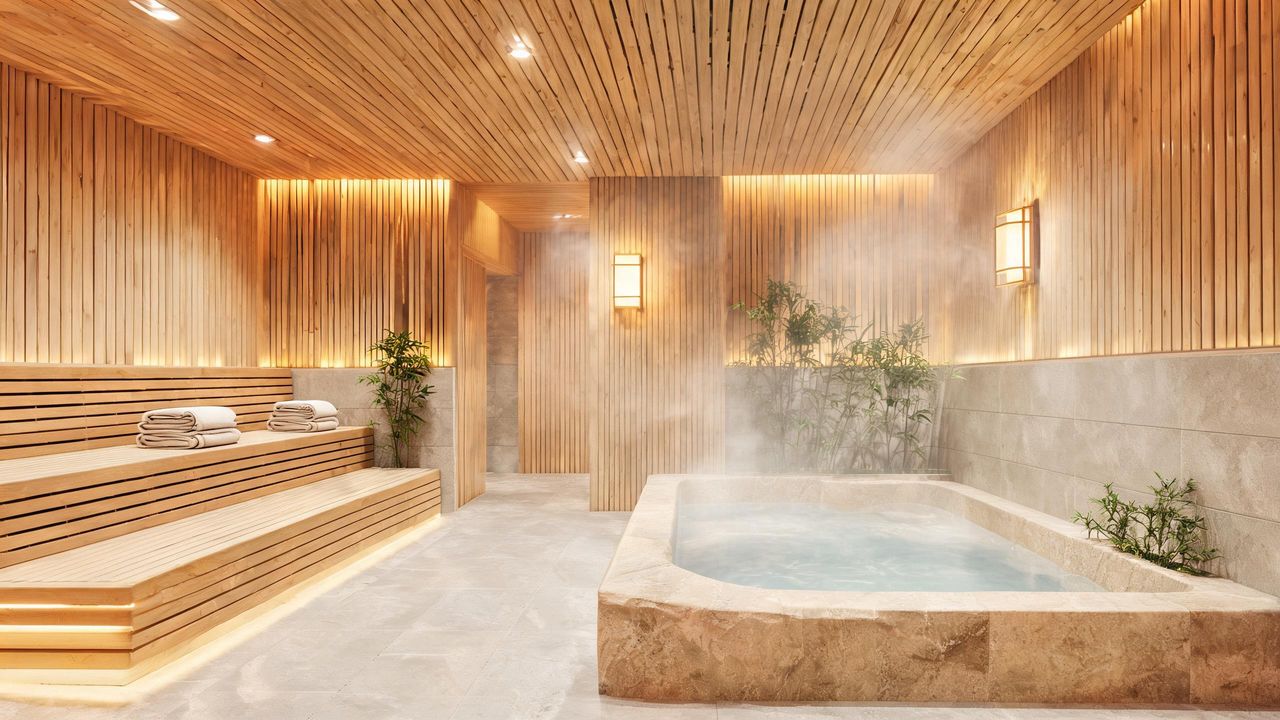
The jjimjilbang (찜질방) — the Korean public bathhouse and sauna — is a cornerstone of Korean wellness culture. Beyond relaxation, a few of its skincare rituals can genuinely improve how skin looks and feels. Here's what they are and how to approximate them at home.
The Jjimjilbang Skincare Sequence
A traditional jjimjilbang skincare visit follows a sequence.
1. The Hot Bath (Mugwort or Mineral)
Soaking in hot mineral or mugwort-infused water softens the skin and prepares it for exfoliation. The heat also increases circulation, producing the pleasant flush associated with a good soak.
At home: Draw a bath as warm as is comfortable (not scalding). Add a mugwort bath sachet (widely available from Korean brands) or plain mineral salts. Soak for 15–20 minutes.
2. Italy Towel Exfoliation (Seshin)
The most famous jjimjilbang ritual: physical exfoliation using a roughened mitt (the "Italy towel") after prolonged soaking. The heat and moisture loosen the outer dead-cell layer, which the mitt then removes.
Why it works: Prolonged soaking (15–20+ minutes) softens the stratum corneum in a way that brief rinsing does not,[2] so the Italy towel can remove that loosened layer effectively.
At home: Soak in a warm bath for at least 20 minutes. Then use an Italy towel or a similar textured exfoliating cloth with a small amount of body wash. Work in gentle, even strokes.
Frequency: About once per week at most. This is vigorous exfoliation; more frequent use can compromise the skin barrier.
Important: This technique is for the body only — facial skin is too thin and delicate for this kind of physical exfoliation. For the face, gentle chemical exfoliation (for example, a BHA)[1] is a better-controlled option.
3. Mugwort Steam
Many jjimjilbangs offer mugwort steam rooms. Warm steam can help soften skin and loosen surface congestion, and users often find mugwort soothing.
At home: Steep dried mugwort in hot water, then create a steam tent with a towel over your head for 5–10 minutes. Follow with your skincare routine while skin is warm and receptive. Keep a comfortable distance to avoid burns, and skip steaming if you have very reactive or rosacea-prone skin.
4. Egg (Gyeran) Treatment
A playful jjimjilbang tradition is rolling a warm hard-boiled egg over the face for a gentle massage.
At home: A smooth, warm jade or gua sha stone accomplishes the same gentle massage more hygienically.
The Sauna Component
The heated rooms (typically warm to hot) and cool-down cycling in a jjimjilbang session can improve circulation and temporarily reduce the look of puffiness. Evidence for specific dermatological benefits beyond relaxation is limited — the more reliable skin benefits come from the exfoliation and steam steps. Stay hydrated and limit time in very hot rooms.
Bottom Line
The jjimjilbang's skin benefits come mainly from the exfoliation sequence (prolonged soak plus Italy towel) and the mugwort steam. Both can be approximated at home for very little money. Keep the vigorous exfoliation to about once a week for the body, use gentler methods on the face, and treat the sauna component as relaxation rather than a dermatological treatment.
This article reflects current dermatological consensus and is not a substitute for personalized advice from a licensed dermatologist.