Korean Morning vs. Night Skincare Routine: What Changes and Why
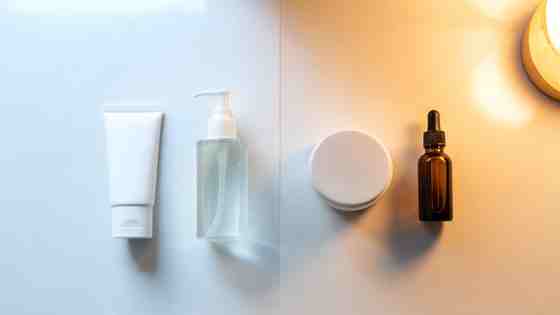
Korean Morning vs. Night Skincare Routine: What Changes and Why
Running the same routine in the morning and at night is one of the most common skincare mistakes. Your skin has different jobs during the day and at night — and your routine should reflect that.
What Skin Does During the Day
During daylight, your skin is in defense mode: UV is hitting it, pollution is landing on it, and you're sweating, touching your face, and wearing makeup. Morning priority: protect.
What Skin Does at Night
At night, skin shifts toward repair. Studies of skin circadian rhythm show epidermal cell division and DNA-repair activity increase at night — cell mitosis tends to peak around midnight — while daytime favors barrier and photoprotection functions [2]. Night priority: repair and restore.
The AM Routine — Protect and Prepare
- Gentle cleanser — rinse or light cleanse (you're not removing SPF in the morning).
- Toner — hydrate and prime.
- Vitamin C serum (optional, effective) — antioxidant protection that complements SPF; apply before sunscreen [4].
- Light moisturizer — prep the skin.
- SPF 30–50 — the most important AM product, every day [1].
Keep AM lean. Strong actives in the morning raise photosensitivity risk; retinoids, AHAs, and strong acids belong at night [3].
The PM Routine — Repair and Recover
- Oil cleanser — removes SPF, makeup, pollution.
- Water-based cleanser — removes residue.
- Exfoliant (2–3× per week: AHA for dry/normal, BHA for oily/acne-prone).
- Toner — rehydrate.
- Essence — barrier support.
- Treatment serum — retinol, niacinamide, peptides, or acids here [3].
- Sheet mask (1–3× per week).
- Eye cream.
- Rich moisturizer or sleeping mask.
- Facial oil (optional).
Actives That Should Only Go at Night
| Active | Why Night Only |
|---|---|
| Retinol / Retinoids | Photosensitizing; UV degrades them and raises irritation risk [3] |
| AHAs (glycolic, lactic) | Increase UV sensitivity — use SPF the next day [1] |
| Benzoyl Peroxide | Degrades in UV light; reduced efficacy |
| Strong vitamin A derivatives | Same as retinol |
Niacinamide, hyaluronic acid, and most peptides are safe AM or PM.
Bottom Line
Morning: protect. Night: repair. The single biggest shift is SPF in the AM and actives (retinol, AHAs) in the PM. Match the routine to what your skin is actually doing at each time of day.
This article reflects current dermatological consensus and is not a substitute for personalized advice from a licensed dermatologist.