Korean Retinol Alternatives for Beginners
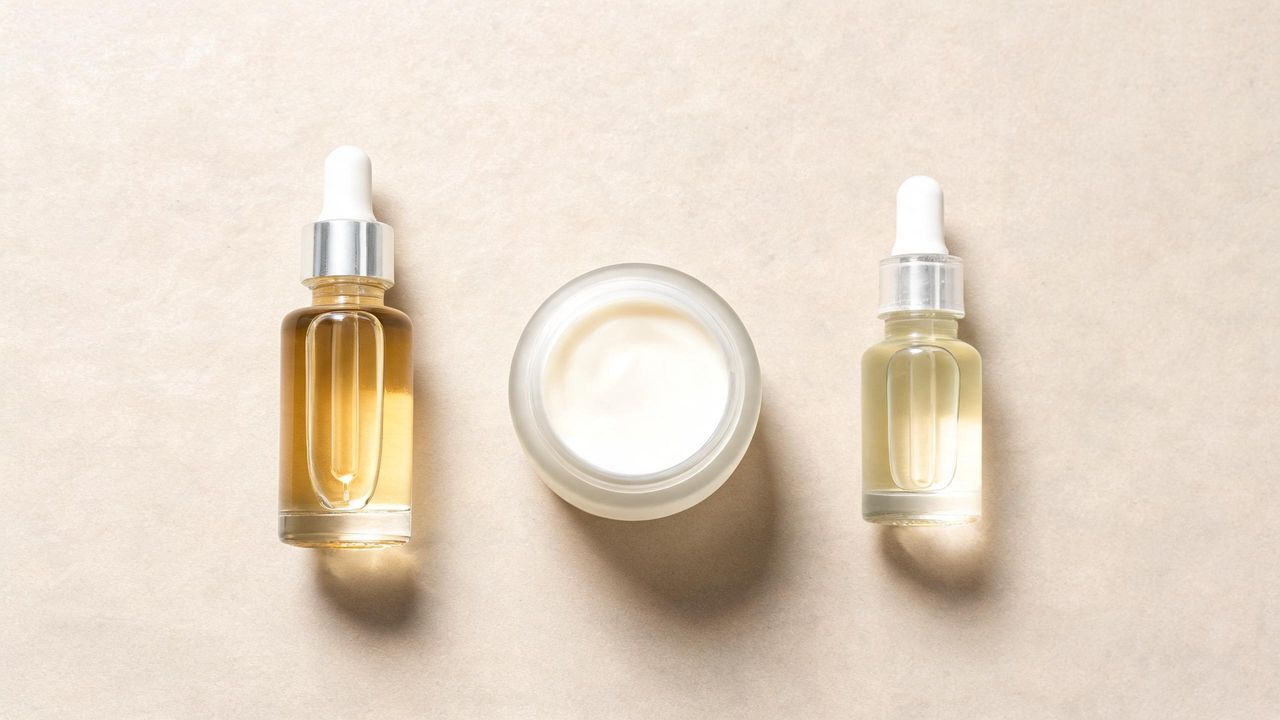
Korean Retinol Alternatives for Beginners: Ranked by Evidence
Retinol is the most well-studied anti-aging ingredient available over the counter [2][4]. It's also the ingredient most likely to cause a difficult adjustment period ("retinization"): peeling, redness, dryness, and temporary irritation [2].
If you're not ready for retinol — or have had a bad experience — here are the alternatives ranked by evidence quality.
A note on regulation: prescription-strength retinoids such as tretinoin are prescription- and clinic-regulated in Korea, not casual over-the-counter buys [3]. The "retinol" in cosmetic products is a lower-strength, non-prescription form.
Why You Might Want an Alternative
- Skin too sensitive for retinol irritation
- Pregnancy or nursing (retinoids are generally advised against — check with your OB)
- Want to ease into anti-aging actives
- Had a bad reaction to retinol in the past
Alternative 1: Very Low-Percentage Retinol (the Gentlest Way to Use Retinol Itself)
Before trying true alternatives, consider starting at a very low retinol concentration:
- 0.025–0.05% retinol is tolerated by many skin types
- Retinyl esters (retinyl palmitate, retinyl acetate) are among the least irritating retinoid forms — though also less potent [2]
Korean products with low-percentage retinol:
- SOME BY MI Retinol Intense Advanced Triple Action Eye Cream (low %)
- The Ordinary Retinol 0.2% in Squalane (not Korean, but widely used)
Start about 2x per week and increase slowly over months.
Alternative 2: Bakuchiol
In a 2019 prospective, randomized, double-blind trial (44 participants), 0.5% bakuchiol applied twice daily produced improvements in wrinkles and hyperpigmentation comparable to 0.5% retinol applied once daily, with less scaling and stinging reported in the bakuchiol group [1]. It's the best-evidenced retinol alternative, though the evidence base is still small (essentially one direct head-to-head RCT plus supporting reviews).
Korean products: Beauty of Joseon Revive Eye Serum (contains bakuchiol), among others — check ingredient lists for "bakuchiol."
Evidence level: Good for an alternative (one direct RCT plus supporting studies).
Alternative 3: Peptides (Matrixyl)
Palmitoyl pentapeptide/tetrapeptide blends (marketed as Matrixyl) have shown measurable improvements in wrinkle appearance in some clinical studies. Results are generally more modest and slower than retinol, but the tolerability is high — appropriate for sensitive skin.
Korean products: Many contain these peptides — check ingredient lists for the "palmitoyl" prefix.
Evidence level: Moderate.
Alternative 4: Adenosine
Adenosine is a Korean MFDS (formerly KFDA) "functional" ingredient recognized for wrinkle improvement. Multiple Korean products are certified functional cosmetics using adenosine at the recognized effective concentration.
Evidence level: Moderate (regulatory recognition based on clinical data).
Alternative 5: Vitamin C (Indirect Anti-Aging)
Not a direct substitute for retinol's effect on cell turnover, but it addresses a different anti-aging mechanism: supporting collagen synthesis and providing antioxidant protection. Often layered with the alternatives above.
Bottom Line
If sensitivity is the main issue: start with 0.025% retinol applied twice weekly — many people tolerate this. If retinol is truly off the table: bakuchiol (the best-evidenced alternative) plus a peptide serum covers much of the anti-aging territory at lower irritation risk. In pregnancy: consult your OB before using any retinoid or alternative.
This article reflects current dermatological consensus and is not a substitute for personalized advice from a licensed dermatologist.