Korean Scalp Care: The Step You're Skipping That Matters Most
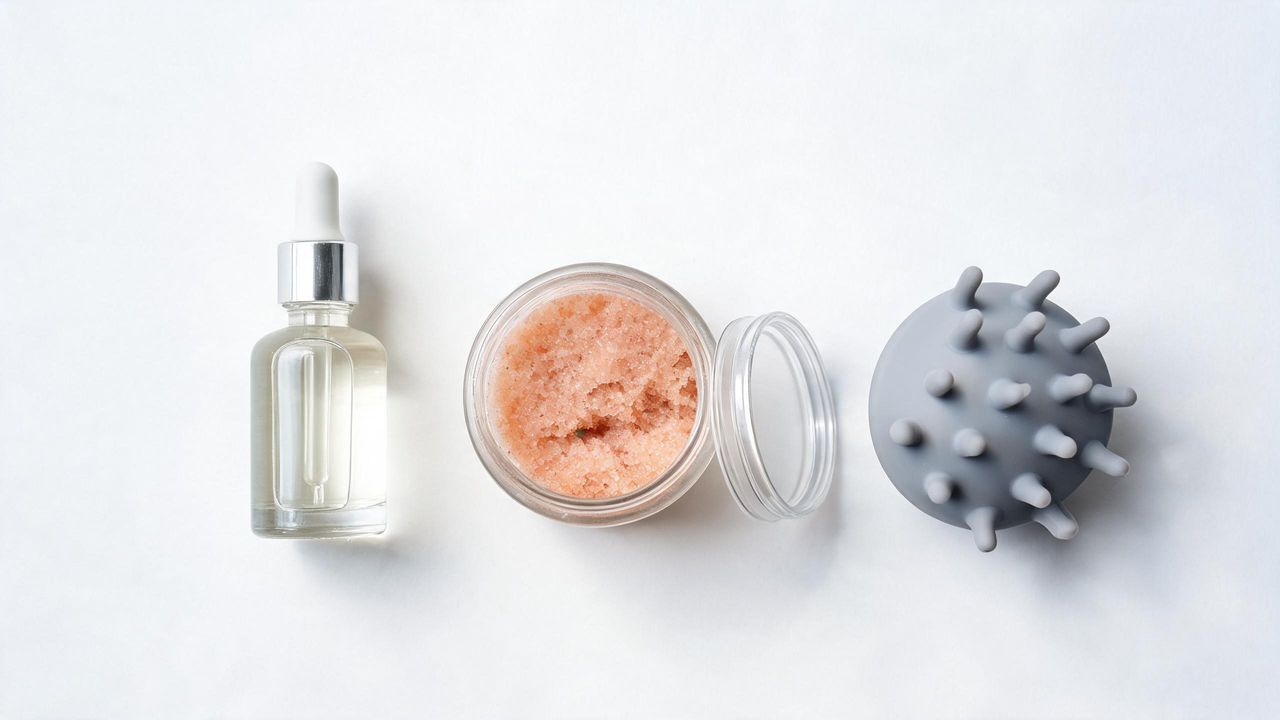
Korean Scalp Care: The Foundation of Healthy Hair
The scalp is skin. It has follicles, sebaceous glands, a microbiome, and a barrier that can be damaged, inflamed, or disrupted. Most hair routines treat the hair and ignore the skin it grows from.
Korean scalp care addresses that gap systematically.
Common Scalp Issues and Their Causes
Dandruff: commonly linked to Malassezia (a yeast), excess sebum, or a dry scalp. These have different underlying causes and need different treatments.
Oily scalp: overactive sebaceous glands — often genetic, but sometimes worsened by over-washing, stress, and product buildup.
Dry scalp: insufficient scalp hydration or a compromised lipid barrier, often from harsh cleansers or very hot water.
Non-medical hair shedding: often associated with scalp inflammation, poor circulation, or follicle congestion. Persistent or patchy hair loss should be assessed by a dermatologist.
The Korean Scalp Care Routine
Scalp Diagnosis First
Is your scalp oily, dry, or normal? Are your flakes dry or oily? This determines product selection.
- Oily and flaky (Malassezia-related dandruff): zinc pyrithione, ketoconazole, or selenium sulfide shampoos
- Dry and itchy scalp: hydrating, gentle shampoos with ceramides or panthenol
- Normal scalp, shedding concern: scalp serums with adenosine, niacinamide, or supporting botanicals
Weekly: Scalp Exfoliation
Korean scalp scrubs remove dead skin cells and product buildup from the scalp surface, helping later products absorb and reducing the buildup that can congest follicles.
Types:
- Physical scalp scrubs (sugar- or salt-based, with conditioning ingredients)
- Chemical scalp exfoliants — salicylic acid (a beta-hydroxy acid) is particularly useful for oily, congested scalps because it is oil-soluble and works within the follicle [3]
Frequency: about once per week for a normal scalp; potentially more often for oily scalps.
Daily: Scalp Massage
A few minutes of daily scalp massage is the most consistently evidence-backed scalp habit. A small 2016 study found increased hair thickness after 24 weeks of 4-minute daily standardized massage in nine men [1]. It is nearly free and easy to add to a shower.
Treatment: Scalp Serum or Ampoule
Applied post-wash to a towel-dried scalp. Ingredients to look for:
- Adenosine: in Korea, adenosine is an approved functional cosmetic ingredient for wrinkle improvement; it is also widely used in scalp products, and a systematic review of small trials reports reduced shedding and increased density, though the overall strength of evidence is low to moderate [2]
- Niacinamide: helps regulate scalp sebum and has anti-inflammatory properties
- Rosemary extract/oil: one randomized trial found effects comparable to 2% minoxidil, with less itching — promising but based on limited data [4]
- Ginseng and other botanicals: traditional Korean ingredients with supportive, if modest, evidence
Korean Scalp Care Products
- AMOS Professional Scalp Clinic Essence — popular scalp treatment essence
- Ryo Hair Loss Care Shampoo — a widely sold Korean scalp-care shampoo
- La'dor Scalp Scaling Spa — salicylic-acid scalp exfoliant
Bottom Line
Scalp care is the most neglected step in most hair routines and one of the most impactful changes you can make. Add a weekly scalp exfoliant and a daily few-minute scalp massage before adding any other hair products. Those two habits — essentially free with a physical massage — address the root cause of many everyday hair concerns.
This article reflects current dermatological consensus and is not a substitute for personalized advice from a licensed dermatologist.