Korean Skincare for Dark Skin Tones: Ingredients and Products That Work
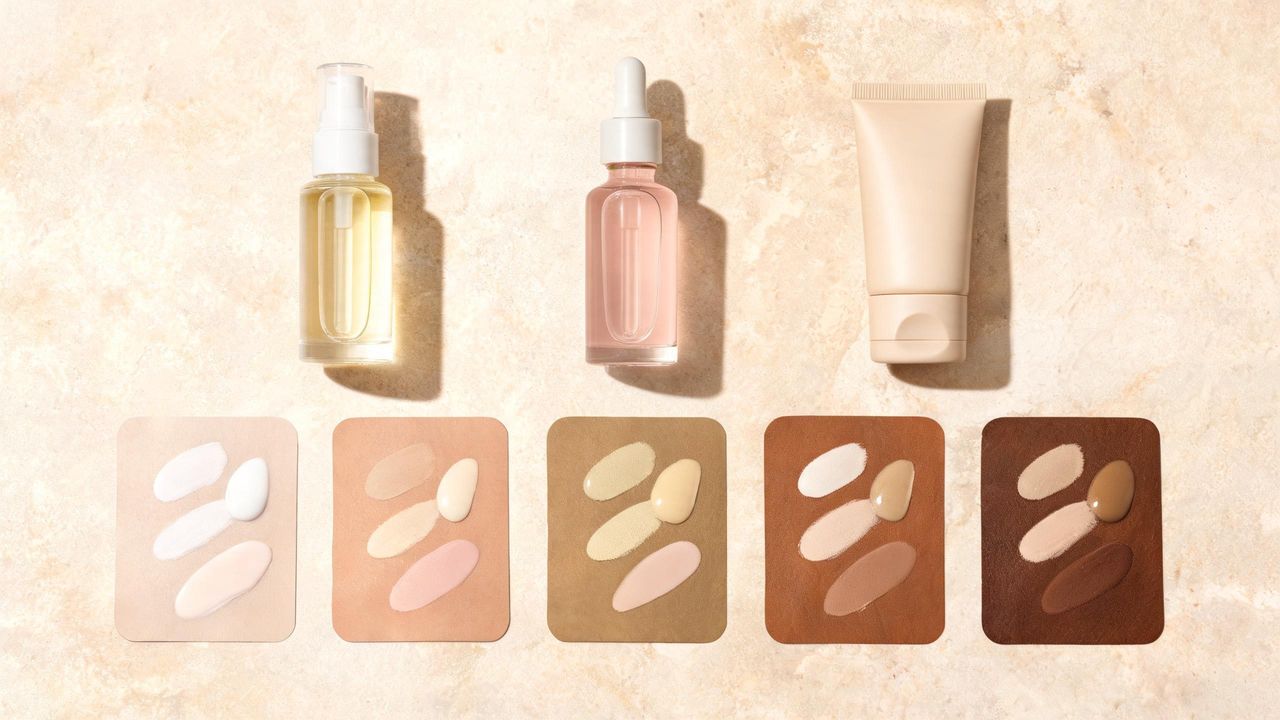
Korean Skincare for Darker Skin Tones: What Works and What Needs Adjustment
Korean skincare philosophy — hydration, barrier support, SPF, targeted actives — is universally applicable. However, some specific products and ingredients matter more for deeper skin tones, and some Korean beauty ideals (skin lightening) are cultural rather than universal.
What Works Universally Well
Barrier care: Ceramide moisturizers, gentle cleansers, and hydrating toners work identically across all skin tones. Barrier function and repair are physiologically the same.
Hydration: Hyaluronic acid, polyglutamic acid, and glycerin-based products have no skin-tone-specific considerations.
Acne treatment: BHA (salicylic acid), niacinamide, and centella asiatica all work effectively — and are particularly valuable for darker skin tones, where post-inflammatory hyperpigmentation (PIH) tends to be more pronounced and more persistent [4].
Anti-aging: Retinol and peptides work across skin tones.
PIH: The Priority Concern for Darker Skin Tones
Post-inflammatory hyperpigmentation — the dark marks left by acne, cuts, or irritation — is more pronounced and more persistent in skin with higher melanin content (Fitzpatrick IV–VI) [4]. This makes the following ingredients especially useful:
- Niacinamide (around 4–10%): Reduces the transfer of melanosomes from melanocytes to keratinocytes rather than blocking tyrosinase directly, and is well-tolerated [1]
- Tranexamic acid: Multiple studies and systematic reviews support topical tranexamic acid for PIH and melasma, often with fewer irritant reactions than hydroquinone [2]
- Azelaic acid (10–20%): Anti-inflammatory and pigment-reducing; 15% gel has clinical support for acne-related PIH [3]
- Vitamin C: Antioxidant and brightening; gentler forms (e.g., ascorbyl glucoside) may be preferable to avoid irritation that could worsen PIH
Use with care: Aggressive high-concentration AHAs, since irritation can trigger further post-inflammatory darkening in higher-melanin skin.
Sunscreen Considerations
White cast: The main K-beauty advantage for darker skin tones — chemical Korean sunscreens (Beauty of Joseon, Biore, SKIN1004) typically leave little to no white cast thanks to their chemical UV filter systems.
Slightly tinted or colorless options: Beauty of Joseon Relief Sun has a very slight tint that suits a range of tones. Purito Daily Go-To Sunscreen (colorless) is also widely praised across skin tones.
The "Brightening" Category: A Note
Korean skincare's "whitening" or "brightening" category reflects a cultural preference for lighter, even-toned skin. At normal cosmetic concentrations, the ingredients (niacinamide, tranexamic acid, vitamin C) address hyperpigmentation and uneven tone — dark spots and PIH — rather than changing natural skin color.
Higher-strength prescription options such as hydroquinone affect pigmentation more broadly and should be used only under dermatologist guidance.
Bottom Line
K-beauty is effective across all skin tones with a few adjustments: prioritize PIH-targeting ingredients (niacinamide, tranexamic acid, azelaic acid), choose no-white-cast chemical Korean sunscreens, and treat the "brightening" category as spot/PIH care rather than overall tone alteration.
This article reflects current dermatological consensus and is not a substitute for personalized advice from a licensed dermatologist.