Korean Skincare for Teenagers: What's Safe, What to Skip
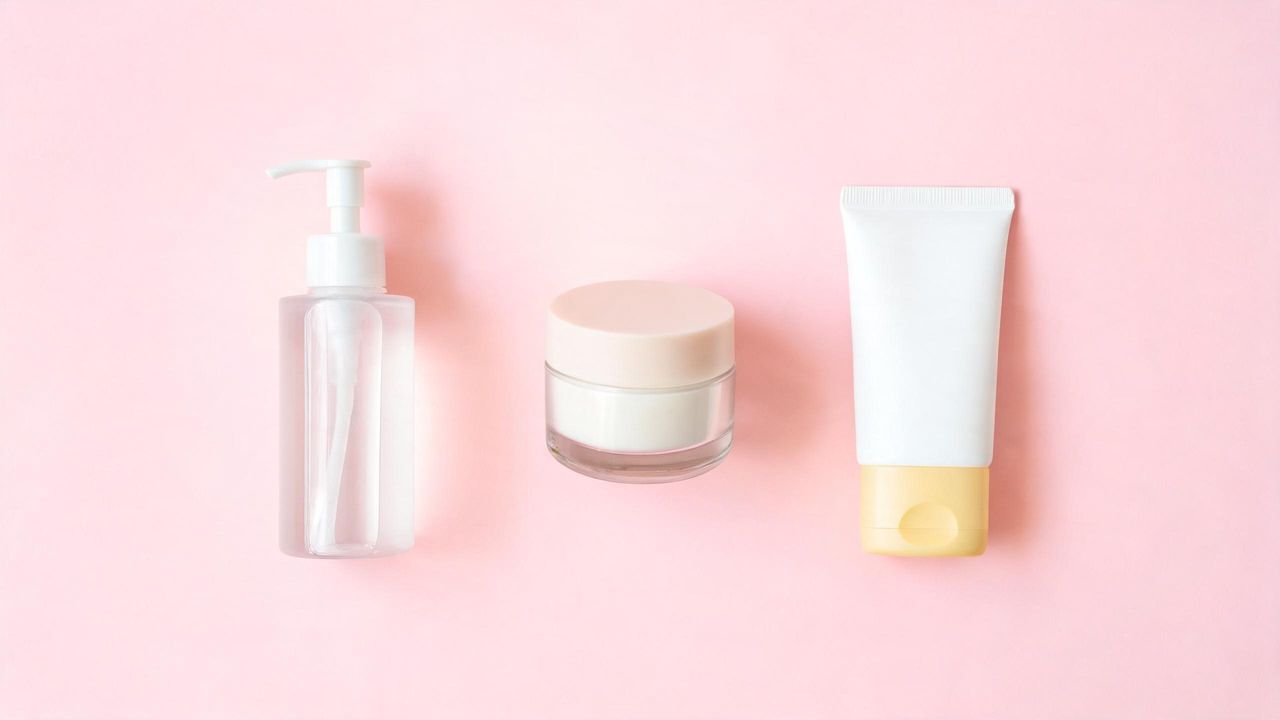
Korean Skincare for Teenagers: Keep It Simple
The internet has convinced an entire generation of teenagers that they need a 10-step routine with acids, retinol, and vitamin C. They don't — and some of these products can actively harm young skin by disrupting the barrier.
Here's what teenagers should actually do, and why less is genuinely more.
What Teen Skin Actually Needs
Teenage skin is fundamentally healthy. Hormonal fluctuations drive oil production and acne — those are the primary issues to address. Everything else is maintenance.
The two genuine needs:
- A clean, intact skin barrier — gentle cleansing and a basic moisturizer; a low-pH cleanser helps protect the barrier [1]
- UV protection — lifelong skin health starts with daily SPF in your teens, since UV drives most visible aging over time [2]
Everything else is optional until a specific concern appears.
The Teen Routine (Simple, Safe, Effective)
Step 1: Gentle Cleanser (AM + PM) Low-pH gel or foam cleanser. Cleanse twice daily, but gently — over-cleansing is common in teenagers and can trigger more oil, not less.
For acne-prone teen skin, a cleanser or leave-on product with salicylic acid (BHA) has good evidence for mild-to-moderate acne; start with once-daily use [3].
Step 2: Light Moisturizer Every skin type needs this, even oily teenage skin. Look for gel or lotion textures with glycerin and niacinamide. Skip anything marketed as "anti-aging" — those formulations aren't designed for young skin.
Step 3: SPF (AM) The earlier you start daily SPF, the better your skin looks decades later. Any broad-spectrum SPF 30–50 that you'll actually wear consistently is the right one [4]. Korean cushions and water-essence SPFs are popular with teens for their light finish.
For Acne: Safe Additions
If the basic 3-step isn't controlling breakouts:
- Niacinamide serum (around 5%) — helps regulate oil and supports the barrier; niacinamide does not cause the niacin flush, so it's well tolerated by most teens [5]
- BHA (salicylic acid) spot treatment — apply to breakouts; evidence-backed for mild-to-moderate acne [3]
- Hydrocolloid pimple patches — protect breakouts from picking and speed surface healing
What Teens Should NOT Use
| Product | Why |
|---|---|
| OTC retinol (unsupervised) | Prescription retinoids treat teen acne, but casual OTC retinol without guidance often just irritates |
| High-concentration AHAs | Can cause significant sensitivity and barrier irritation in teen skin |
| Multiple layered actives | "Trendstacking" is a common cause of barrier damage |
| Anti-aging serums / collagen creams | Not formulated for or effective on young skin |
| Eye creams with retinol | Unnecessary and potentially irritating |
| Fragranced toners and essences | Fragrance is a leading irritant with no performance benefit |
The Parent Note: When to See a Dermatologist
Mild teen acne (a few pimples, some blackheads) usually responds to a basic routine and time. Moderate to severe acne — cystic, widespread, or scarring — warrants a dermatologist visit. Prescription options (topical retinoids, antibiotics, or in severe cases isotretinoin) work significantly better than any OTC routine, and delaying treatment allows scarring that's difficult to reverse [3].
Bottom Line
Three steps. That's the teen skincare routine: cleanser, moisturizer, SPF. If acne is a concern, add niacinamide or a BHA spot treatment. Skip the trends — most viral "teen skincare routines" on social media are designed for adults and contain ingredients that don't belong on teenage skin. Simple and consistent beats complicated and trendy.
This article reflects current dermatological consensus and is not a substitute for personalized advice from a licensed dermatologist.