Korean Skincare Routine for Acne-Prone Skin
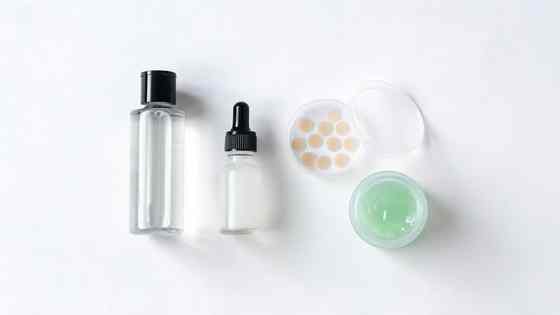
Korean Skincare Routine for Acne-Prone Skin
Acne is not a cleanliness problem. It's a combination of excess sebum, clogged pores, C. acnes bacteria proliferation, and inflammation — often driven by genetics, hormones, and diet as much as skincare.
That said, the right routine can significantly reduce the frequency and severity of breakouts. Here's the Korean approach to acne-prone skin.
The Core Principles
- Don't strip the skin — over-cleansing damages the barrier and can trigger more oil.
- Target the right bacteria — reduce C. acnes without nuking the whole microbiome.
- Hydrate consistently — dehydrated acne-prone skin heals more slowly.
- Treat active breakouts AND prevent future ones — these need different ingredients.
AM Routine
1. Low-pH Gel Cleanser — maintains the acid mantle; look for tea tree, salicylic acid, or centella. Avoid a "squeaky clean" finish (that's barrier disruption).
2. BHA Toner (2–3× per week) — salicylic acid (0.5–2%) penetrates the pore lining and clears congestion [1]. Use on non-consecutive days.
3. Niacinamide Serum (5–10%) — reduces sebum, helps prevent post-inflammatory hyperpigmentation, and is anti-inflammatory [2]. The most consistent performer for acne-prone skin.
4. Lightweight Oil-Free Moisturizer — never skip it. Look for centella, green tea, beta-glucan; avoid coconut oil and cocoa butter.
5. Non-Comedogenic SPF — mineral (zinc oxide) or light gel/serum SPF.
PM Routine
1. Oil Cleanser — a lightweight, non-comedogenic oil removes excess sebum without over-stripping.
2. Low-pH Gel Cleanser.
3. BHA Exfoliant or Retinol (alternate nights) — BHA clears pores [1]; retinol is among the most evidence-backed ingredients for acne and its aftermath (start 0.025–0.05%).
4. Spot Treatment (active breakouts only) — benzoyl peroxide (2.5%) is one of the most effective OTC options and performs comparably to higher strengths with less dryness [3]; hydrocolloid patches protect from picking.
5. Centella Gel or Light Cream — soothing and anti-inflammatory [4].
The Acne Ingredients That Actually Work
| Ingredient | What It Does | Best For |
|---|---|---|
| Salicylic acid (BHA) | Unclogs pores, anti-inflammatory [1] | Blackheads, whiteheads, oily skin |
| Niacinamide | Sebum control, PIH prevention [2] | All acne types |
| Retinol | Cell turnover, prevents clogged pores | Long-term management |
| Benzoyl peroxide | Reduces C. acnes [3] | Active inflammatory acne |
| Centella asiatica | Calms inflammation, supports healing [4] | Red, inflamed acne |
What to Stop Doing
Harsh physical scrubs on active acne (micro-tears, spreads bacteria), stacking multiple new actives at once without patch testing, skipping moisturizer ("it'll make me break out"), picking (causes scarring and spreads inflammation), and changing your routine every 2 weeks — acne treatment takes 8–12 weeks to show results.
Bottom Line
For acne-prone skin, the Korean routine is most useful as a framework for hydration and gentle barrier support, supplemented by evidence-backed actives: BHA, niacinamide, and retinol [1][2]. Moderate-to-severe acne warrants a dermatologist — prescription tretinoin outperforms OTC retinol, and antibiotic and other prescription options exist for inflammatory acne.
This article reflects current dermatological consensus and is not a substitute for personalized advice from a licensed dermatologist.