Korean Skincare Routine for Dry Skin: Step-by-Step
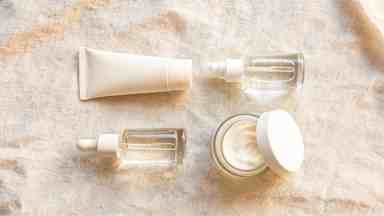
Korean Skincare Routine for Dry Skin: Step-by-Step
Dry skin isn't just about moisture — it's often about a compromised skin barrier that can't hold onto the moisture it has. The Korean approach addresses both problems at once.
Here's a routine built specifically for dry skin, with product-type recommendations at each step.
Why Dry Skin Needs a Different Approach
Dry skin (clinically termed xerosis) is associated with a shortage of barrier lipids, which allows more transepidermal water loss (TEWL) — water escaping through the skin surface [1][2]. The result: skin that feels tight, looks dull, and can show fine lines more readily.
The fix isn't just layering on more cream. It's using ingredients that attract water (humectants), soften and fill in the barrier (emollients), and seal the surface (occlusives) — in that order.
Korean skincare excels at this layered hydration approach.
The Dry Skin Routine
AM Routine
Step 1: Gentle Cream or Milk Cleanser Consider skipping a foaming cleanser in the morning — many strip more than dry skin can spare. Rinse with lukewarm water or use a non-stripping cream cleanser. Look for ingredients like ceramides, glycerin, or panthenol.
Step 2: Hydrating Toner (Layering / Patting Method) Apply a rich, essence-like toner and pat it in with your hands. For very dry skin, the "7 skin method" — applying several thin layers of toner — is a popular way to build hydration without heaviness.
Step 3: Hydrating Serum Look for: hyaluronic acid (draws water into the skin) [3], polyglutamic acid (often cited as holding several times more water than hyaluronic acid and forming a light surface film), or beta-glucan (soothing and hydrating).
Step 4: Moisturizer Reach for a cream, not a gel. Ingredients to look for: ceramides (support the barrier) [1], squalane (lightweight emollient), shea butter, or panthenol.
Step 5: SPF Choose a cream-finish or dewy-finish sunscreen — matte formulas can emphasize dryness. Daily broad-spectrum SPF is the most impactful long-term step for skin health [4].
PM Routine
Step 1: Oil Cleanser Use a nourishing oil cleanser — look for formulas with marula, rosehip, or jojoba. These cleanse without stripping.
Step 2: Cream Cleanser Same as AM — a gentle, non-foaming option.
Step 3: Essence Fermentation-based essences (galactomyces, bifida ferment lysate) are popular for dry skin — they add hydration and help support the barrier.
Step 4: Targeted Serum If addressing wrinkles: peptides or bakuchiol (a gentler alternative to retinol). If pure hydration: a hyaluronic acid serum [3].
Step 5: Sheet Mask (2–3x per week) Hydrating sheet masks with hyaluronic acid, ceramides, or aloe give dry skin a moisture boost. Leave on for 15–20 minutes; pat in remaining serum rather than rinsing.
Step 6: Rich Cream or Sleeping Mask This is one of the most important steps for dry skin. Korean sleeping masks form a semi-occlusive layer that helps trap hydration overnight and reduce water loss [1][2].
Step 7: Facial Oil (optional) Apply 1–3 drops of a facial oil over your cream for extra occlusion. Rosehip, squalane, and marula work well for dry skin without heavily clogging pores.
Ingredients to Seek Out
| Ingredient | Function |
|---|---|
| Ceramides | Support the lipid barrier, reduce water loss |
| Hyaluronic Acid | Draws water into the skin |
| Polyglutamic Acid | Strong water retention, light surface film |
| Squalane | Lightweight, non-comedogenic emollient |
| Panthenol (Vit B5) | Soothing, moisture-retaining |
| Beta-Glucan | Calming, hydrating |
| Glycerin | Humectant, draws in moisture |
Ingredients to Approach With Care
- High-concentration denatured alcohol (alcohol denat. / SD alcohol) — can feel drying and disrupt the barrier for some
- Fragrance — a common irritant that can worsen sensitivity in dry skin
- Harsh sulfate cleansers used aggressively
- High-percentage AHAs used too frequently — can over-exfoliate already-dry skin
How Long Until You See Results?
Barrier repair takes time. Many people notice improved texture and reduced tightness within 2–4 weeks of consistent use, with fuller barrier recovery often taking 4–8 weeks [2].
Bottom Line
Dry skin needs layered hydration, barrier-supporting ingredients, and a light touch with strong actives. Start with a ceramide moisturizer and a hydrating toner — those two changes alone often make a noticeable difference. Add actives slowly, and always patch test new products.
This article reflects current dermatological consensus and is not a substitute for personalized advice from a licensed dermatologist.