Korean Summer Skincare Routine: What to Change and Why
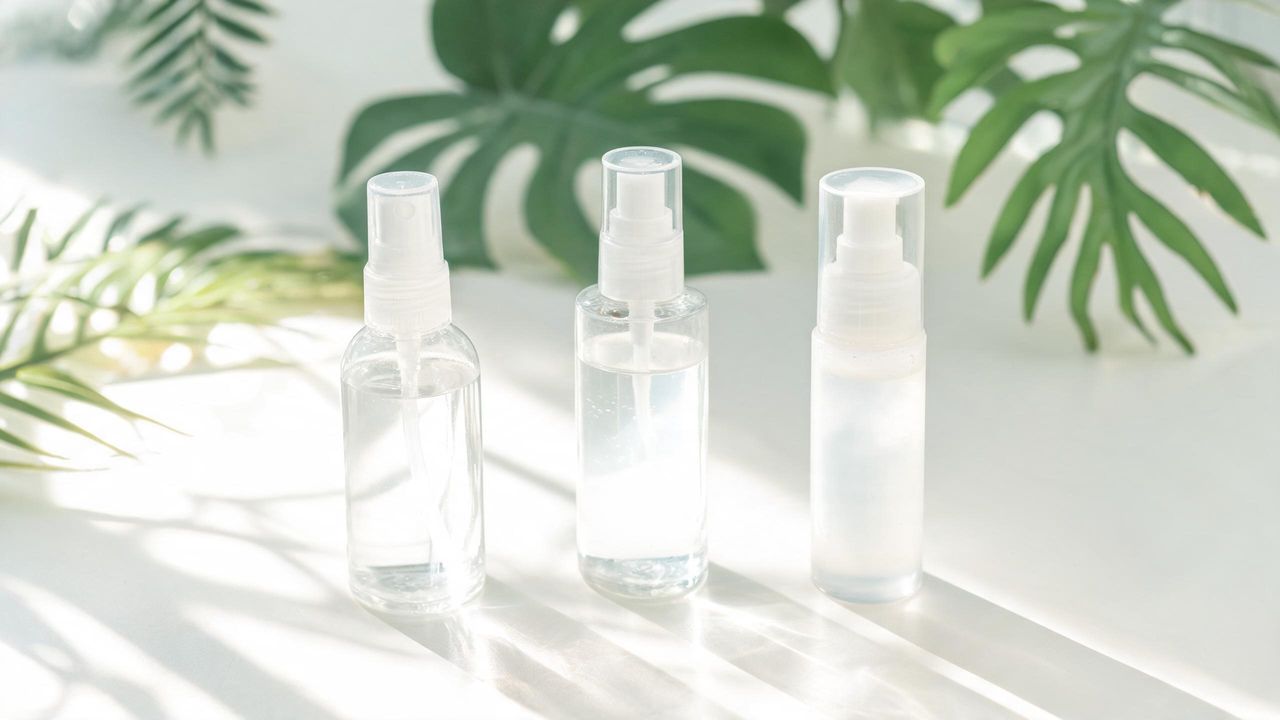
Korean Summer Skincare Routine: What to Change and Why
Summer doesn't mean starting over — it means making targeted swaps. Heat, humidity, UV intensity, and sweat change how your skin behaves, and your routine should account for that.
Here's what Korean skincare routines look like in the warmer months, and the logic behind each change.
What Summer Does to Your Skin
- Increased sebum production — warmth is associated with more active oil glands
- Higher UV index — cumulative UV exposure is the single largest environmental driver of visible skin aging, so consistent protection matters even more [1][2]
- More sweat — can mix with sunscreen and product and contribute to clogged pores
- Higher humidity — some people's skin does better (a natural humectant effect); others break out
- Increased pollution exposure — outdoor activity plus higher temperatures amplify oxidative stress on skin
The Key Seasonal Swaps
1. Lighten Your Cleanser (but Don't Skip Double Cleansing)
In summer, you're wearing more SPF, sweating more, and dealing with more environmental debris. Double cleansing stays important — but you can switch to a lighter, more refreshing gel for the second cleanse. Use lukewarm rather than hot water, which can compromise the skin barrier [4].
Swap: Rich cream cleanser → low-pH gel or foam cleanser
2. Switch to a Watery Toner
If you were using a thick, essence-like toner in winter, summer is the time to go lighter. A watery, glycerin-based toner absorbs quickly and doesn't sit heavy in heat and humidity.
3. Upgrade Your SPF (Reapplication Is the Main Event)
The biggest summer skincare mistake is applying SPF once and considering it done. UV protection is depleted by sweat, sebum, rubbing, and time — dermatology guidelines recommend reapplying roughly every two hours during sun exposure, and after swimming or heavy sweating [1].
Summer SPF upgrade: Switch to a lightweight watery-essence SPF or a cushion compact for easy reapplication over makeup.
4. Swap Your Moisturizer
Heavy occlusive creams belong in winter. Summer calls for a gel or water-gel moisturizer — comparable hydration, lighter finish, less risk of feeling greasy.
Look for: Centella asiatica gel, aloe-based gel, or any "water gel" formula.
5. Add an Antioxidant Serum (Morning)
Summer UV and pollution generate free radicals that contribute to collagen breakdown. A vitamin C serum (AM) or a green tea / niacinamide serum adds antioxidant support that complements — but does not replace — sunscreen [1][3].
6. Introduce a Mist
A facial mist mid-day can refresh without heavily disrupting makeup. Look for mists with humectants such as hyaluronic acid or glycerin — a plain-water mist can evaporate and leave skin feeling drier.
What Stays the Same
- Double cleansing (more important in summer, not less)
- Niacinamide serum (helps with oil control and evenness) [3]
- Gentle exfoliation ~2x per week (helps prevent congestion from sweat and sunscreen)
- Eye care (the eye area still needs dedicated attention)
What to Actually Skip in Summer
- Heavy sleeping masks — skin rarely needs a strong occlusive seal in humid weather
- Facial oils (unless your skin is very dry — most skin types don't need them in summer heat)
- Thick emollient creams
Sweat-Resistant SPF Application (The Korean Method)
- Apply moisturizer and let it absorb for 2–3 minutes
- Apply SPF generously — dermatologists recommend roughly 1/4 teaspoon for the face, or a two-finger-length strip [1]
- Let SPF fully absorb before applying any makeup (about 5 minutes)
- Reapply with a cushion or SPF stick roughly every two hours when outdoors [1]
Bottom Line
Summer skincare is about subtraction: lighter textures, more diligent SPF reapplication, and a switch from occlusive to breathable moisturizers. The Korean routine adapts well to this — the "skip-care" and gel-texture philosophy was built for warmer months. Keep the double cleanse, upgrade your SPF habits, and lighten everything else.
This article reflects current dermatological consensus and is not a substitute for personalized advice from a licensed dermatologist.