Korean SPF Culture: Why Koreans Are So Obsessed With Sunscreen
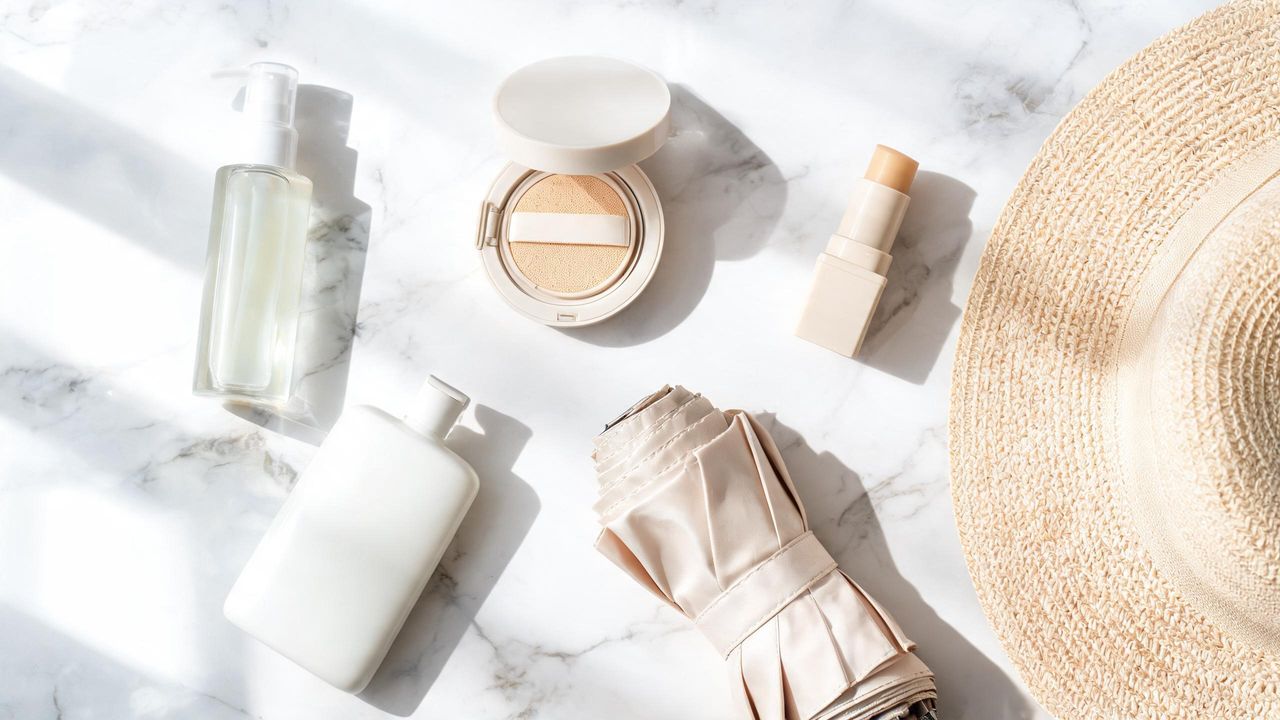
Many cultures use sunscreen. Korean culture has turned it into a near-institution. Understanding why — and what the outcomes are — is more useful than simply being told "Koreans wear SPF."
The Habit
South Korea has among the highest and most consistent sunscreen use of any market. Korean consumers tend to apply sun protection daily, favor high SPF ratings (SPF 50+ is standard; SPF 30 is considered a floor), and pay attention to proper application, including generous amounts and reapplication.
The Cultural Context
Korean beauty culture has long valued even-toned, protected skin as an aesthetic ideal — a preference with deep historical roots. This cultural driver established a sun-protection behavior pattern well before the modern UV-aging science was broadly understood.
The dermatological validation came later: the photoprotection habit that started as aesthetic turned out to be among the most effective anti-aging behaviors available. Research attributes roughly 80% of visible facial aging to sun exposure,[1] so decades of consistent protection meaningfully changes how a face ages.
What Korean Sunscreen Innovation Looks Like
Korean and Japanese brands have driven a lot of global sunscreen innovation — largely because of consumer demand for better-feeling products, not because of looser regulation (Korea, Japan, and the EU all have rigorous approval processes for UV filters).
The result: watery-essence sunscreens, cushion SPFs, SPF mists, and sunsticks — all designed to make reapplication practical and non-disruptive. This directly serves the behavioral goal: if reapplication is convenient, people actually do it.
The PA Rating System
Korean and Japanese sunscreens use the PA (Protection Grade of UVA rays) system alongside SPF:
- PA+ = some UVA protection
- PA++ = moderate UVA protection
- PA+++ = high UVA protection
- PA++++ = the highest UVA protection
UVA rays penetrate more deeply and are strongly associated with photoaging, whereas UVB is the primary cause of sunburn. SPF describes UVB protection; a high PA rating signals strong protection against the UVA wavelengths most responsible for visible aging. Dermatology bodies recommend choosing a broad-spectrum sunscreen for exactly this reason.[2]
The Behavioral Elements Beyond Products
Korean sun-protection culture includes habits that go beyond a single morning application:
- UV umbrellas: widespread use of UV-blocking parasols outdoors
- Sun-protective clothing: UV-blocking arm sleeves and wide-brim hats are mainstream, not niche
- Shade-seeking: more deliberate avoidance of peak UV hours (roughly 10am–4pm)
- Year-round use: consistent application in winter and on cloudy days, since a substantial fraction of UV still reaches the skin through cloud cover
Bottom Line
Korean sunscreen culture is effective because it pairs sophisticated product innovation (making reapplication easy) with cultural normalization (making reapplication expected). The dermatological outcome — measurably less photoaging compared with unprotected populations — validates the behavior. The habits matter more than any specific product.
This article reflects current dermatological consensus and is not a substitute for personalized advice from a licensed dermatologist.