Korean Winter Skincare Routine: Fix Dry, Flaky Skin Before It Gets Worse
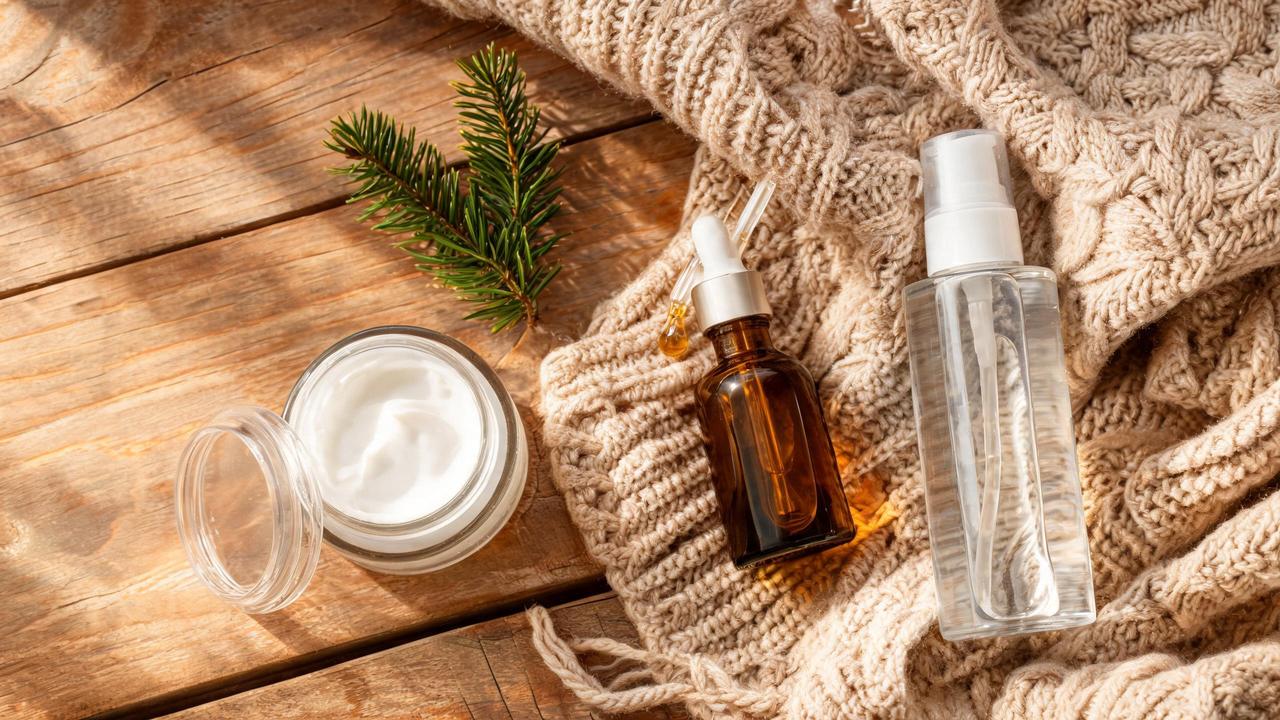
Korean Winter Skincare Routine: Rebuild and Protect
Winter is when skin barriers go into crisis. Cold outdoor air holds less moisture. Indoor heating further depletes humidity. The result: tight, flaky, sometimes uncomfortable skin that absorbs products poorly and reacts to everything.
The Korean approach to winter skincare is built on one principle: seal in water before it can escape.
Why Winter Destroys Skin Barriers
- Cold air holds less moisture than warm air, so your skin loses water to the environment faster
- Indoor heating can drop relative humidity to around 20–30% (desert-level dry)
- Temperature fluctuations — constantly moving between cold outdoor air and heated indoor air stresses the barrier
- Hot showers — common in winter and damaging, because hot water strips lipids from the skin barrier and increases water loss [1]
The Crucial Winter Habit Changes
Before adjusting products, adjust behaviors:
- Lower your shower temperature. Lukewarm is ideal; hot is damaging.
- Run a humidifier. Adding moisture back to indoor air reduces transepidermal water loss (TEWL) passively [1].
- Pat dry, don't rub. Rubbing with a towel creates micro-damage on already-stressed skin.
- Apply moisturizer immediately after washing — within about a minute, while skin is still slightly damp.
The Winter Routine
AM
Cleanser: Skip the morning cleanse or use a creamy non-foaming cleanser — you're not removing sunscreen, and your skin doesn't need stripping in winter. A low-pH, gentle cleanser helps protect the barrier [2].
Toner: Use a richer, essence-like toner or layer a standard toner multiple times. The "7-skin method" (applying toner in several thin layers) is a winter staple in Korean routines.
Serum: Add a hyaluronic acid or polyglutamic acid serum before your moisturizer for extra water-binding capacity [3].
Moisturizer: Upgrade from a gel to a cream. Look for ceramides, squalane, or shea butter as key ingredients. Ceramides directly replenish the lipids that make up the barrier and measurably reduce TEWL [1].
SPF: Winter UV is still UV, and snow can reflect a substantial portion of UV radiation back at your skin. Don't skip — UV drives most visible aging over time [4].
PM
Oil Cleanser: Use a richer oil — marula, argan, or rosehip-based formulas over lightweight jojoba in winter.
Cream Cleanser: Non-foaming is best.
Essence: Double up — apply essence, wait about 30 seconds, apply again.
Serum: Peptides plus ceramides for overnight barrier repair. Retinol users: pair with a rich ceramide cream to buffer the dryness retinol can cause in cold weather.
Rich Cream: This is where you invest most in winter. A good ceramide cream — Dr. Jart+ Ceramidin, Illiyoon Ceramide Ato, or Klairs Midnight Blue Calming Cream — makes a measurable difference in barrier hydration [1].
Sleeping Mask / Facial Oil: Layer a sleeping mask or 2–3 drops of facial oil over your cream for added occlusion overnight. This is the "slugging" principle applied selectively.
Ingredients That Carry Winter Routines
| Ingredient | Winter Benefit |
|---|---|
| Ceramides | Directly replaces depleted barrier lipids |
| Squalane | Skin-identical emollient, deeply nourishing |
| Shea Butter | Rich emollient, excellent for very dry skin |
| Hyaluronic Acid | Humectant — binds water in the upper skin layers |
| Glycerin | Humectant, inexpensive, universally tolerated |
| Panthenol (B5) | Soothes, supports healing, helps retain moisture |
The One Mistake That Makes Winter Skin Worse
Over-exfoliating. It's tempting when skin is flaky — scrubbing or over-applying acids seems like the solution. It isn't. Flaky winter skin is often a sign of a compromised barrier, and over-exfoliating further impairs barrier function and increases water loss [5]. Reduce exfoliation to about once a week in winter, and use the gentlest formula in your collection.
Bottom Line
Winter skincare is about building a seal around your skin barrier. Humidifier plus lukewarm showers plus a ceramide cream applied immediately after washing will do more than any product stack on its own. Add a facial oil as the final layer at night, and your skin will be in measurably better shape by spring.
This article reflects current dermatological consensus and is not a substitute for personalized advice from a licensed dermatologist.