Mugwort in Korean Skincare: What It Does and Why It Went Viral
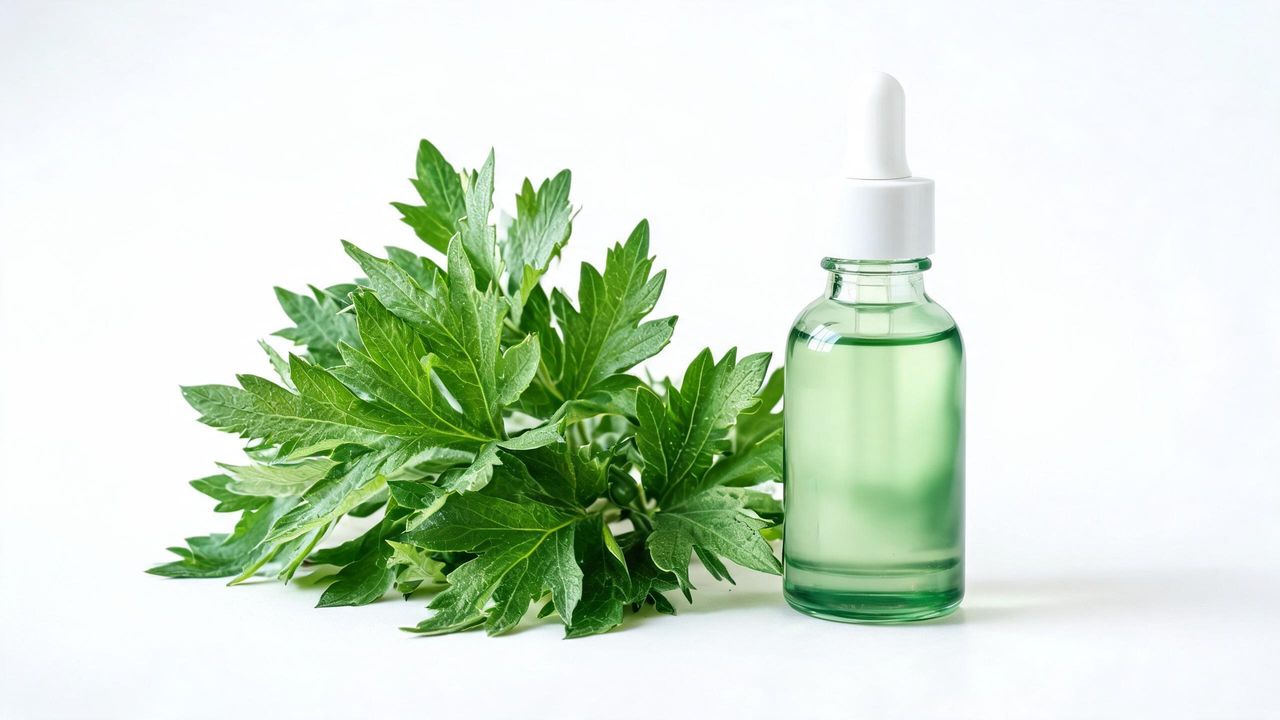
Mugwort in Korean Skincare: The Ancient Herb Going Viral
Mugwort (Artemisia species) has been used in Korean traditional medicine (hanbang) for centuries — as a topical treatment for skin conditions, as an ingredient in medicinal steam treatments, and as an internal tonic.
Its entry into modern K-beauty formulations is a logical extension of hanbang-influenced product development. And unlike many trend ingredients, mugwort has a meaningful active-compound profile.
Active Compounds in Mugwort
- Flavonoids (including artemetin) — anti-inflammatory, antioxidant
- Terpenoids — antimicrobial properties
- Chamazulene — anti-inflammatory (also found in chamomile)
- Eucalyptol — mild antimicrobial
- Quercetin — antioxidant, anti-inflammatory
- Chlorogenic acid — antioxidant
What Mugwort Does for Skin
Anti-inflammatory: The flavonoid and chamazulene content shows anti-inflammatory activity in studies of related botanicals — a mechanism shared with other calming plant extracts [1].
Antioxidant protection: The polyphenol content provides free-radical scavenging that can help with environmental damage and photoaging prevention [1].
Antimicrobial: Terpenoids and eucalyptol show activity against some acne-associated bacteria (C. acnes) in lab settings, which supports mugwort's traditional use in acne-prone skin care [3].
Soothing and calming: The anti-inflammatory mechanism supports its traditional use — reactive, eczema-prone, and sensitive skin types tend to respond well [2].
Potential itch relief: Used topically for itching in traditional medicine; the anti-inflammatory mechanism provides a plausible basis, though robust clinical data is limited.
Best Korean Mugwort Products
- Isntree Mugwort Essence Toner — lightweight, layerable, gentle
- Purito Centella Green Level Calming Toner — centella + mugwort combination for sensitive skin
- SOME BY MI Mugwort Pore Clarifying Series — targets pores + calming
- Graymelin Mugwort Calming Ampoule — intensive soothing treatment
Who Should Use Mugwort
Best for:
- Sensitive and reactive skin
- Eczema-prone or atopic skin
- Acne-prone skin (antimicrobial benefit)
- Skin recovering from a procedure or over-exfoliation
Caution: Mugwort is in the Asteraceae family (same as ragweed, chamomile, chrysanthemum). Those with Asteraceae allergies should patch test carefully.
Bottom Line
Mugwort isn't just a viral trend — it has a legitimate active-compound profile that supports anti-inflammatory, antioxidant, and mild antimicrobial effects. For sensitive and reactive skin types, a mugwort toner or essence is one of the more substantiated calming choices in K-beauty.
This article reflects current dermatological consensus and is not a substitute for personalized advice from a licensed dermatologist.