Propolis in Korean Skincare: What Bee Extract Does for Your Skin
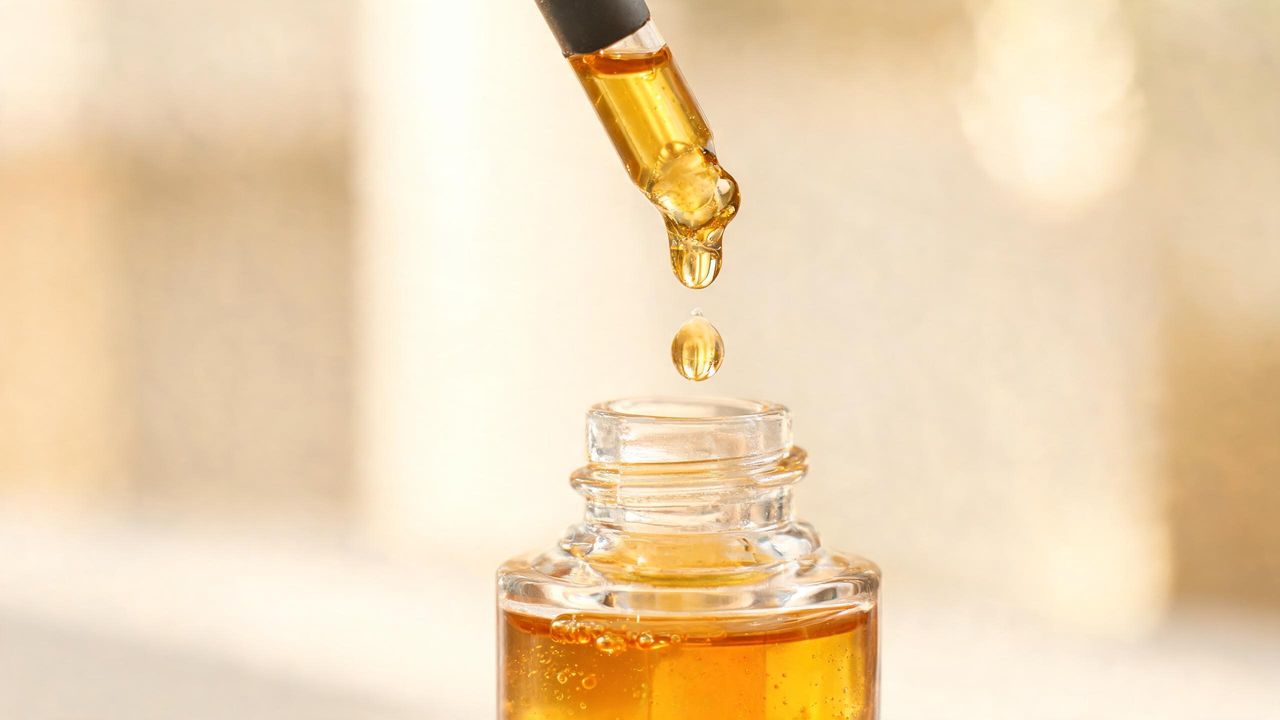
Propolis in Korean Skincare: The Bee-Derived Ingredient Worth Knowing
Propolis is a resinous substance that bees produce to seal and protect their hives. It's a complex mixture of plant resins, waxes, oils, and fermentation products — and it's been used in traditional medicine for a long time.
Korean brands — particularly COSRX with their Propolis Light Ampoule — brought propolis to mainstream K-beauty attention. The ingredient has meaningful research backing.
What Propolis Contains
The composition varies by geographic region (bees source plant resins locally), but typically includes:
- Flavonoids (quercetin, kaempferol, apigenin) — antioxidants and anti-inflammatory compounds
- Phenolic acids (caffeic acid, ferulic acid) — antioxidant, antimicrobial
- Vitamins B1, B2, B6, C, E
- Amino acids
- Enzymes
Supported Benefits
Antimicrobial: Propolis shows antimicrobial activity against various bacteria (including C. acnes) and some fungi in laboratory studies, supporting its topical use [2].
Anti-inflammatory: Its flavonoid content can inhibit inflammatory cytokines — meaningful for acne-prone and reactive skin [1].
Antioxidant: The combined flavonoid and phenolic acid content makes propolis one of the more potent plant-derived antioxidants in topical use [1].
Wound healing / repair: Studies indicate propolis supports fibroblast activity and epithelial repair, consistent with its traditional wound-care use [3].
Acne: The combination of antimicrobial, anti-inflammatory, and repair-supporting properties makes propolis particularly well-suited for acne-prone skin [2].
Best Korean Propolis Products
- COSRX Full Fit Propolis Light Ampoule — lightweight, appropriate for combination skin
- COSRX Full Fit Propolis Synergy Toner — hydrating with propolis + honey
- Benton Aloe Propolis Soothing Gel — propolis + aloe for sensitive/reactive skin
- Manuka Honey + Propolis combinations — multiple brands offer these blends
Bottom Line
Propolis is one of K-beauty's more substantiated trending ingredients. Its antimicrobial, anti-inflammatory, and antioxidant properties have research backing — making it genuinely useful for acne-prone, sensitive, or recovering skin. The golden color can temporarily tint white towels, so use a dark pillowcase when starting, and patch test if you're sensitive to bee products.
This article reflects current dermatological consensus and is not a substitute for personalized advice from a licensed dermatologist.