Slugging vs Korean Sleeping Mask: Which One Should You Use?
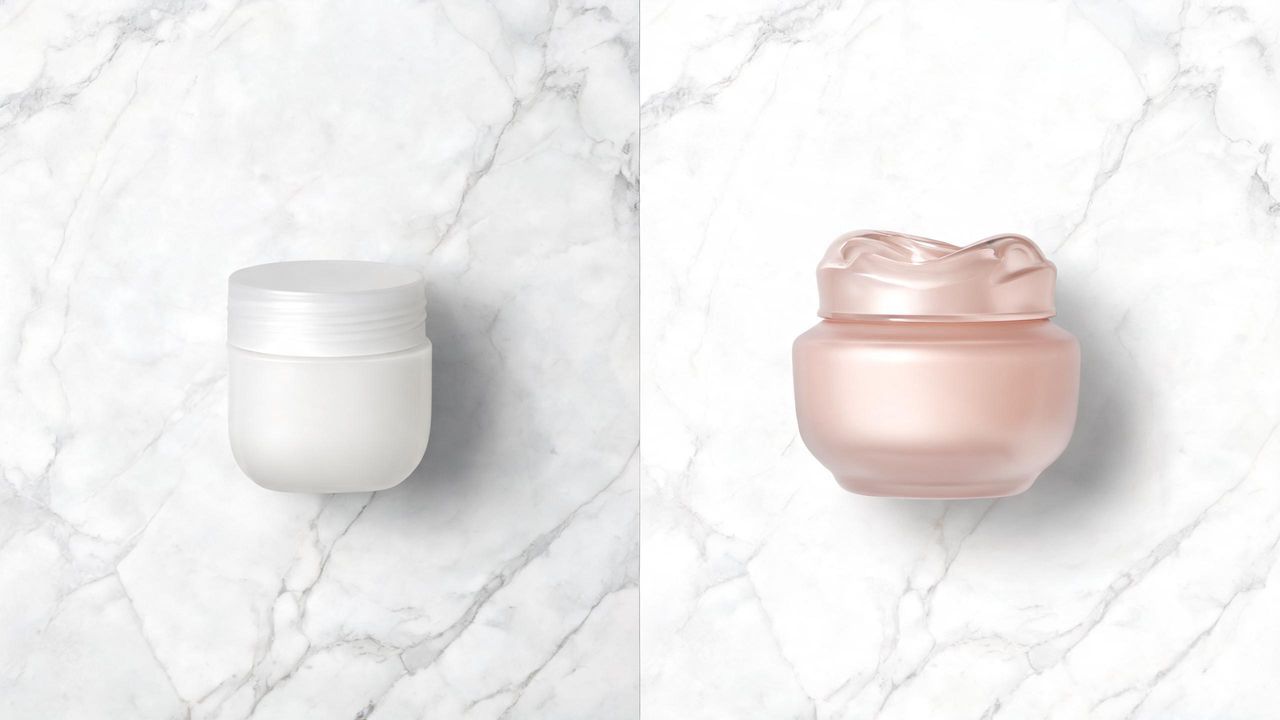
Slugging vs. Korean Sleeping Mask: The Real Differences
Both go on last. Both trap moisture. Both have devoted followings. But slugging (petroleum jelly) and Korean sleeping masks are not the same product doing the same thing — and the differences matter for different skin types.
What They Have in Common
Both are occlusive final-step products. They create a seal on the skin surface that reduces transepidermal water loss (TEWL) — water evaporating from skin to the environment during sleep [1].
Both are applied as the final PM step, and both are rinsed off in the morning.
That's where the similarities mostly end.
Petroleum Jelly (Slugging): The Details
Mechanism: Pure occlusion. Petrolatum forms a near-impermeable film on the skin surface and can reduce TEWL substantially — around 98% in classic occlusion studies [1].
What it contains: Essentially one ingredient — highly refined, cosmetic-grade petroleum jelly.
Texture: Very thick, slightly tacky; doesn't fully absorb.
Active delivery: None. Petrolatum is inert — it doesn't deliver actives or penetrate the skin, it seals the surface [2].
Who it's for: Very dry, compromised, or irritated skin that needs maximum barrier protection. Dermatologists use it for post-procedure care and conditions like eczema.
Who should be cautious: Acne-prone skin (may aggravate comedones in some) and oily skin (usually unnecessary).
Korean Sleeping Masks: The Details
Mechanism: Occlusion plus active-ingredient delivery. Sleeping masks use lighter occlusives (film-forming polymers, hyaluronic acid, plant-derived waxes) combined with targeted actives.
What they contain: Varies by product. Common additions include hyaluronic acid, glycerin, niacinamide, plant extracts, fermentation filtrates, or peptides alongside the occlusive base.
Texture: Gel-cream to thick cream — more elegant than petrolatum, and many absorb after about 30 minutes.
Who it's for: Most skin types, depending on formulation. Gel sleeping masks suit oily skin; cream masks suit dry skin.
Head-to-Head Comparison
| Factor | Slugging (Vaseline) | Korean Sleeping Mask |
|---|---|---|
| Occlusion strength | Maximum (~98% TEWL reduction) | Moderate to high |
| Active ingredients | None | Varies (HA, niacinamide, peptides) |
| Texture | Very thick, tacky | Gel to thick cream |
| Absorbs? | No | Partially to fully |
| Works for acne-prone? | Risky for some | Depends on formula |
| Price | Very cheap | ~$10–$60 |
| Best for | Severely dry/damaged skin | Most skin types |
Which Should You Use?
Use petroleum jelly slugging if:
- Your skin barrier is severely compromised or very dry
- You're treating a specific dry area rather than the whole face
- You want maximum TEWL reduction without added actives
- Budget is a priority
Use a Korean sleeping mask if:
- You want a more pleasant texture and experience
- You want occlusion plus active ingredients delivered overnight
- You have combination or oily skin (choose a gel-type formula)
- You want something that feels like skincare rather than a medical ointment
Use both if: you want maximum results — apply your sleeping mask first, then a thin layer of petroleum jelly over the driest areas only (sometimes called "modified slugging").
Bottom Line
Vaseline slugging is industrial-strength barrier protection with no frills. Korean sleeping masks offer lighter occlusion plus the benefit of active ingredients — more suitable for everyday use and a wider range of skin types. If your barrier is compromised, slug. If you want a pleasant, functional nightly treatment, reach for the sleeping mask.
This article reflects current dermatological consensus and is not a substitute for personalized advice from a licensed dermatologist.