Snail Mucin in Skincare: What It Is, What It Does, and Is It Worth It?
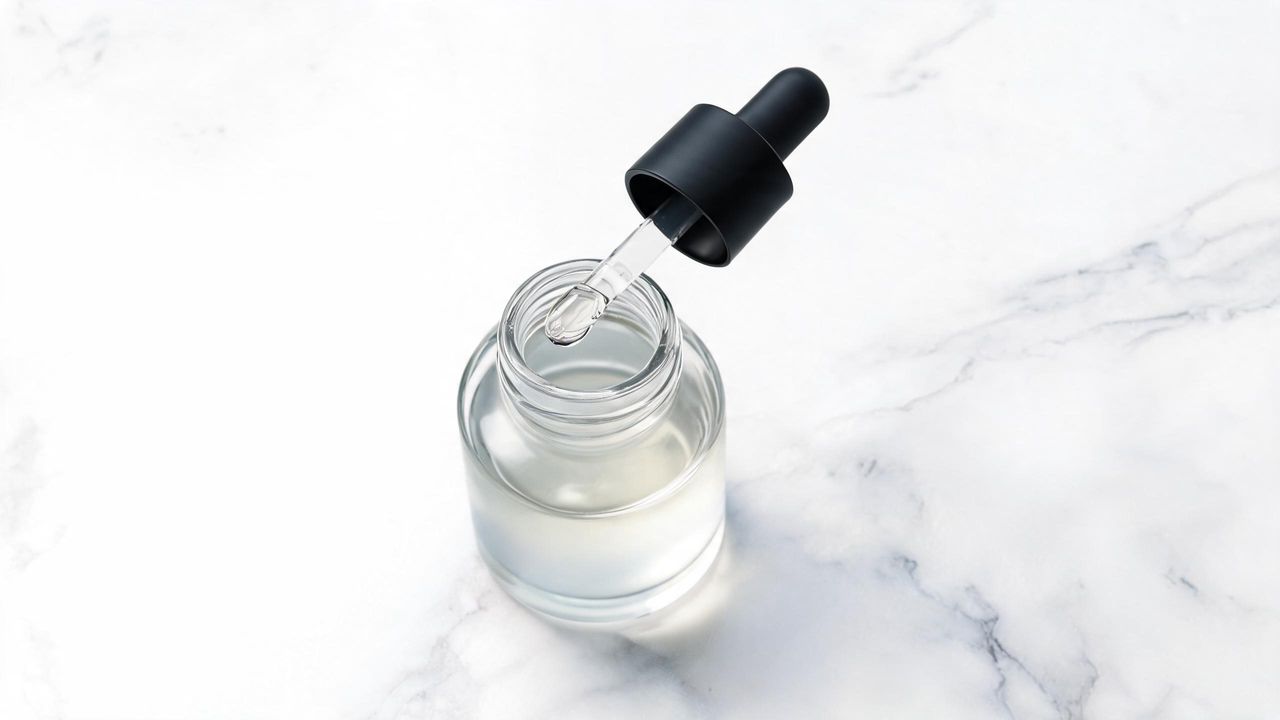
Snail Mucin: What the Evidence Actually Says
Snail secretion filtrate (SSF) became K-beauty's most recognizable export ingredient. COSRX's Advanced Snail 96 Mucin Power Essence became one of the best-selling skincare products globally. The question worth asking: does it work, or is it clever marketing?
What Is Snail Mucin?
Snail secretion filtrate is the substance secreted by snails (primarily Cryptomphalus aspersa) as they move. It's collected from snails in a controlled environment and processed into a cosmetic ingredient.
The filtrate is a complex mixture of glycoproteins, hyaluronic acid, glycolic acid (a natural AHA), allantoin, zinc, copper peptides, and antimicrobial peptides [1].
What Clinical Evidence Exists?
Several small-scale studies support the following effects:
Wound healing and tissue repair: Allantoin promotes cell proliferation and tissue repair, and copper peptides support collagen synthesis. Animal and lab studies on Cryptomphalus aspersa secretion show accelerated closure of superficial wounds, alongside improved collagen deposition and reduced inflammation in the wound bed [2].
Hydration: The glycoprotein and hyaluronic acid content provides humectant and film-forming effects — essentially functioning as a hydrating serum. Hyaluronic acid is itself a well-established humectant [3].
Mild exfoliation: The glycolic acid content offers gentle chemical exfoliation — softer than standalone glycolic acid products [4].
Antimicrobial activity: The antimicrobial peptides in SSF show activity against some bacteria in lab settings, which may support its use in acne-prone skin [1].
Limitation: Most human studies are small, short-term, and often industry-funded, and independent long-term data is limited [1]. The mechanisms are plausible and results are documented, but the "miracle" framing is overstated.
Best Use Cases
Snail mucin is most useful for:
- Repairing damaged or sensitive skin — the allantoin and copper peptide content is soothing and repair-supporting
- Post-acne marks — the mild AHA content plus skin-renewal properties help fade post-inflammatory hyperpigmentation over time
- Hydration — as a hydrating serum for normal to dry skin
How to Use It
Apply after toner, as you would any essence or serum. The 92–96% concentration products (like COSRX) are thicker and can replace both essence and serum steps. The 70–80% products work better as essences with a separate serum layered after.
Patch test first — SSF is generally well-tolerated, but any protein-containing ingredient can occasionally trigger a reaction; introduce it slowly if your skin is reactive or you have known allergies.
Bottom Line
Snail mucin works. Its constituents — allantoin, copper peptides, glycolic acid, hyaluronic acid — are all established or plausible actives. Whether a 96% concentration product outperforms a well-formulated ceramide + peptide serum is less clear. For repairing, hydrating, and soothing skin at a reasonable price point, it's one of the more justified K-beauty trends.
This article reflects current dermatological consensus and is not a substitute for personalized advice from a licensed dermatologist.