Vitamin C in Korean Skincare: The Stability Problem and How Brands Solve It
Vitamin C in Korean Skincare: The Stability Problem and How Brands Solve It
Vitamin C (ascorbic acid) is the most clinically studied topical antioxidant. Its benefits — antioxidant defense that complements SPF, support for collagen synthesis, brightening, and free-radical scavenging — are well documented [1]. The problem: L-ascorbic acid is notoriously unstable, oxidizing quickly with exposure to light, air, and heat.
Korean brands have developed formulation strategies to address this — some more effective than others.
Why Vitamin C Stability Matters
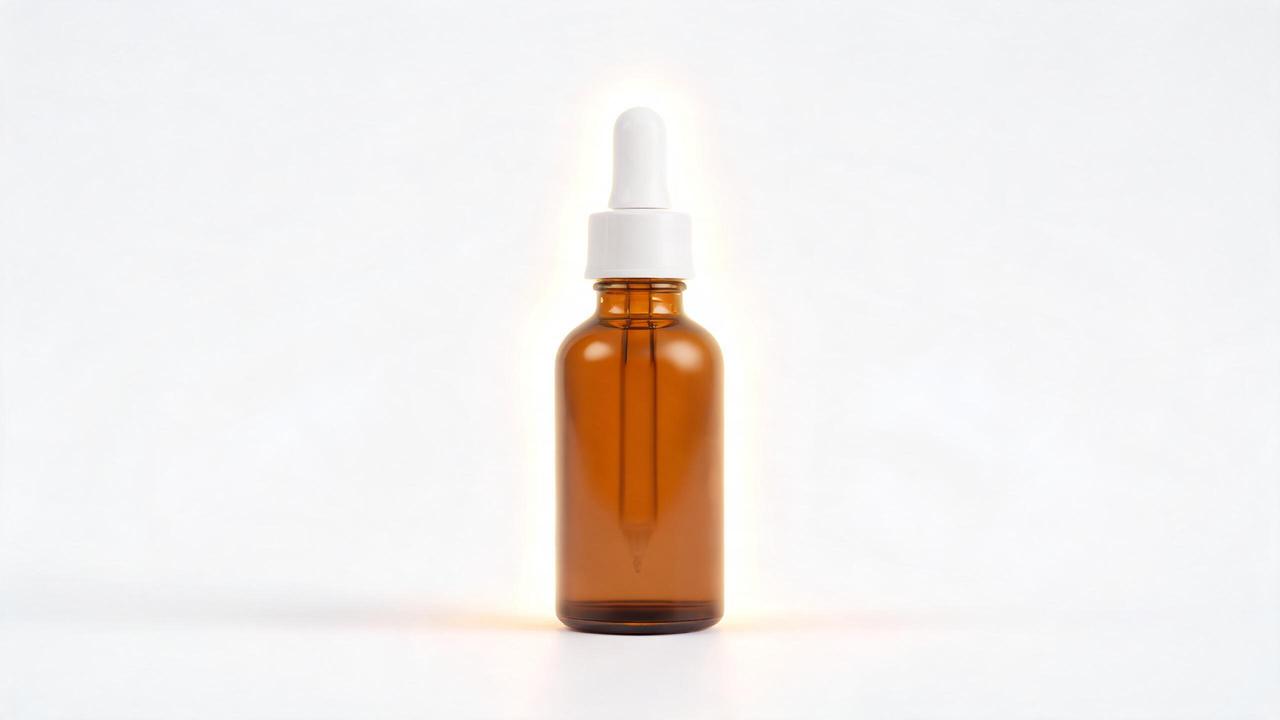
Oxidized vitamin C (the orange or brown discolored serum you may have seen) is less effective, and a serum that has clearly oxidized should be discarded.
Signs of oxidation:
- Color change from pale yellow to orange or brown
- An off, slightly metallic smell
- Separated or noticeably thickened texture
Forms of Vitamin C: Stability vs. Potency
L-ascorbic acid (LAA): The most active and most studied form. Works best at low pH (roughly 2.5–3.5) and is highly effective around 10–20%. Also the most unstable — it oxidizes quickly without proper formulation and packaging [1].
Ascorbyl glucoside: A stable derivative (a glucose molecule protects the vitamin C), converted to active vitamin C in the skin. Lower potency than LAA but far more stable — common in Korean formulas aimed at sensitive skin.
Sodium ascorbyl phosphate (SAP): Water-soluble and stable, converting to ascorbic acid in skin. A good option for oily/acne-prone skin (with some evidence for anti-acne activity), effective around 5–10%.
Tetrahexyldecyl ascorbate (THD ascorbate): Oil-soluble, penetrates well, and is very stable, with evidence for collagen support. Premium price point.
3-O-ethyl ascorbic acid: Stable and converts to ascorbic acid in skin — increasingly used in Korean formulations.
Concentration Guide
| Form | Typical Effective Concentration |
|---|---|
| L-ascorbic acid | 10–20% |
| Ascorbyl glucoside | 2–5% |
| SAP | 5–10% |
| THD ascorbate | 1–3% |
Korean Vitamin C Products
L-ascorbic acid (in stabilizing packaging):
- Klairs Freshly Juiced Vitamin Drop (5% LAA, pH-adjusted, gentle)
- SKIN1004 Vitamin C Tone-Up Cream
Stable derivative forms:
- Beauty of Joseon Glow Serum (ascorbyl glucoside plus propolis)
- Some By Mi Galactomyces Pure Vitamin C Glow Serum
Storage: Extends Shelf Life Significantly
- Store in a cool, dark place (a fridge is ideal for LAA products)
- Keep the cap closed between uses
- Discard if significantly discolored
- Note the date you opened it and, for LAA products, aim to finish within a few months
Bottom Line
Vitamin C earns its place in the routine — the evidence for antioxidant protection and collagen support is strong [1]. The key is a stable formulation, stored correctly, at an effective concentration. LAA at 10–20% with proper pH and packaging gives the strongest results; stable derivatives are the better choice for sensitive skin or warm climates. Apply in the morning before SPF for the best antioxidant synergy [3], and note that vitamin C and niacinamide can be used together in a modern routine [2].
This article reflects current dermatological consensus and is not a substitute for personalized advice from a licensed dermatologist.