Slugging: The Korean Skincare Trick for Soft Skin Overnight
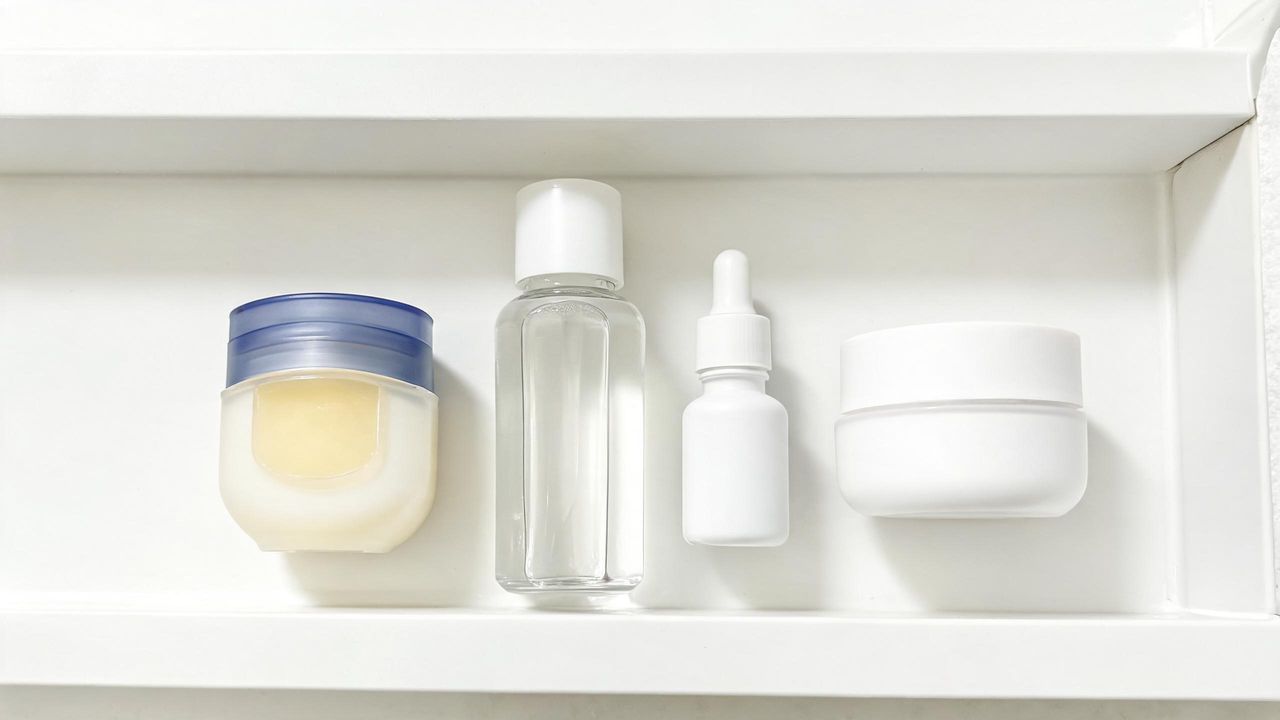
Slugging: The Skincare Trend That's Just Petroleum Jelly
Slugging went viral on Reddit's r/SkincareAddiction and TikTok, presented as a discovery. It isn't — Korean skincare routines have used occlusive last-step products for decades. What changed is that Western audiences realized petrolatum (Vaseline) is a dermatologist-approved, inexpensive version of the Korean sleeping mask.
Here's the full picture.
What Is Slugging?
Slugging is applying a thin layer of an occlusive product — petroleum jelly (petrolatum), Aquaphor, or a dedicated Korean sleeping mask — as the final step in your PM routine.
The name comes from the glossy, "slug-like" appearance of skin immediately after application.
What it does: Creates a physical seal on the skin's surface that reduces transepidermal water loss (TEWL) while you sleep. It doesn't add water — it traps the moisture that's already there [1].
The Science: Why Petrolatum Works
Petroleum jelly is one of the most well-studied occlusive agents in dermatology. Applied in an appropriate layer, petrolatum can reduce TEWL substantially — by roughly 98% in classic occlusion studies [1]. In its pure, cosmetic-grade form it is highly refined, generally well tolerated, and considered non-comedogenic; it has been used for wound healing and barrier repair for well over a century [2].
Korean sleeping masks function similarly but use lighter occlusives — film-forming polymers, plant waxes, or low-viscosity silicones — that feel more elegant and absorb more fully.
Who Should Slug
Good for:
- Dry and very dry skin types
- Compromised or damaged skin barriers
- Anyone experiencing tightness, flakiness, or sensitivity
- Post-procedure skin (post-laser, post-peel) — consult your dermatologist first
- Cold-weather routines
Use caution or avoid if:
- Acne-prone skin (occlusion can worsen closed comedones for some people)
- Oily skin types (often unnecessary — the skin already produces sufficient lipids)
- You use high-concentration retinol (occlusion can increase retinol absorption and irritation)
How to Slug: The Correct Technique
- Complete your full PM skincare routine — cleanser, toner, essence, serum, moisturizer
- Apply a thin layer of petroleum jelly or sleeping mask over everything
- "Thin" means translucent — you should be able to see skin through it, not a thick white coat
- Sleep on a clean pillowcase (slugging transfers product)
- In the morning, rinse with a gentle low-pH cleanser — the residue comes off easily [3]
Korean Alternatives to Vaseline
If you want the effect without straight petroleum jelly, these Korean products achieve similar occlusion with a lighter feel:
- LANEIGE Water Sleeping Mask — one of the most popular sleeping masks globally
- Klairs Midnight Blue Youth Activating Drop — repair plus occlusion
- Sulwhasoo Overnight Vitalizing Mask — premium, ginseng-based
- COSRX Ultimate Moisturizing Honey Overnight Mask — affordable, effective
Bottom Line
Slugging works because occlusion works. It's one of the most evidence-backed things you can do for a dry or compromised skin barrier — and petroleum jelly is among the cheapest and most effective occlusive agents available. Use it at the end of your PM routine, apply in a thin layer, and don't use it over active retinol without adjusting concentrations first.
This article reflects current dermatological consensus and is not a substitute for personalized advice from a licensed dermatologist.